Journaling

Journal! Pen, Paper, Presence!
The Healing Power of Journaling and Writing Your Way Back Home to You.
What Journaling Really Is
Journaling isn’t about perfect sentences, good spellings or poetic language. It’s not even about being “good at writing.” It’s the simple act of showing up for yourself, being present, being honest with a pen in hand and saying, “I’m willing to look at the words itching to be written”, “I’m willing to see what I think”, “I am wiling to understand what I feel and truly map out my deepest desires and wants”.
It’s a practice of awareness, where you can slow your thoughts down long enough to hear your truth. A safe space to name your emotions, untangle beliefs, track and trace the deeply woven patterns and untether the threads, explore your beliefs without needing to censor or perform, please or seek praise.
When you write, you’re engaging both the conscious and subconscious mind by translating the abstract into something visible and something alchemical happens, the unseen becomes seen. In that translation, you begin to reclaim parts of yourself that once felt scattered turning chaos into clarity, confusion into meaning and new found perspective into purpose. In translating the invisible into ink, you begin to reclaim the parts of yourself that once felt scattered, silenced, or unseen.
Essentially, journaling is, at its heart centre an act of self-expression, a form of art where emotions become the language, words become the colourful brushstrokes and the journal your canvas. It’s a tool for reflection, helping you process experiences, understand and translate the language of your own mind. It’s flexible and free, taking whatever shape you need it to, such as creating deep meaningful paragraphs, lists, doodles, poems, affirmations, or mind maps. It’s personal and private, a sacred space that belongs only to you.
Over time, your journal becomes a living archive of who you’ve been, who you are, and who you’re becoming. It’s a mirror, map and medicine to all held in ink and intention. You get to discover your potential, your inner voice, artist and reveal the real you underneath the many masks.

A Release Valve
Helping emotions move through instead of build up.

A Mirror
Reflecting what’s inside you with honesty and compassion.

A Conversation
Written between your mind, body, and soul.

A compass
Guiding you back to what matters when life feels chaotic.

A Record
Of growth, patterns, and proof of how far you’ve come.

A Mindful Practice
Anchoring you in presence and awareness.
How Journaling Helps
Journaling is more than writing, it’s an act of self-connection. It gives shape to what’s swirling inside, creating space between you and your thoughts so you can finally see them with clarity and compassion.
Over time, journaling becomes a mirror that is reflecting how far you’ve come and reminding you that even in your hardest moments, you were still showing up for yourself. Each word, each page, becomes a quiet act of courage. A promise that you’re listening, healing, and learning to trust your own voice again.
From a therapeutic perspective, journaling supports you on many levels such as:
Science & Research Behind Journaling
Decades of research shows that expressive writing, and the simple act of putting thoughts, feelings and describing emotions into words can ease stress, regulate emotions, and even support immune health.
When we write, the brain begins to integrate what we feel and think, bringing balance, clarity, and healing ourselves one page at a time.
Modern research shows that expressive writing doesn’t just ease the mind it reshapes it. When you translate emotions into words, you activate areas of the brain linked to language, emotional regulation, and self-awareness. This process lowers stress hormones, balances the nervous system, and supports overall wellbeing.
Spiritually, the same truth applies: “Energy flows where attention goes!” Each time you write, you’re not just processing you’re moving energy. Every word becomes a small release, a clearing, a light switched on in the darker corners of the self.
Through the science of the brain and the language of the soul, journaling reconnects you with your natural rhythm of healing, one page, one breath, one awareness at a time.

Emotional Processing & Mental Health
The pioneering work of Dr. James W. Pennebaker (University of Texas) found that people who wrote about their deepest thoughts and feelings for just 15–20 minutes a day over several days experienced lower stress, improved mood, and fewer symptoms of anxiety and depression.

Physical Health &
Immune Function
Follow-up studies by Pennebaker and others showed that expressive writing can even boost immune system function, reduce blood pressure, and improve wound healing — suggesting a strong link between emotional release and physical health.

Cognitive Clarity & Problem Solving
Research in cognitive psychology (e.g., Baikie & Wilhelm, 2005) found that journaling helps people make sense of traumatic or confusing experiences by organizing thoughts and integrating emotions, leading to clearer thinking and better decision-making.

Resilience & Self-Compassion
Studies in positive psychology show that gratitude journaling and reflective writing increase optimism, self-awareness, and emotional resilience. Regular journaling can help people develop a more compassionate inner voice and stronger self-trust.

Self-Discovery & Identity
Journaling helps you understand who you are beneath the noise. As patterns emerge — in relationships, self-talk, or reactions — you begin to see your story differently. It’s how you move from reacting to responding, and from self-blame to self-awareness.
Mindfulness & Presence
When you write, you’re here — in this moment. Journaling draws you out of autopilot and into awareness. It becomes a daily mindfulness practice, training your attention to notice how you feel, what you need, and where you are growing.

Manifestation & Empowerment
Once you’ve cleared emotional clutter, journaling also becomes a creative space to dream, plan, and call in new realities. Writing intentions, affirmations, or vision statements aligns your energy with your goals — because clarity magnetises change.
How to Get Started
Here’s the truth to getting started, you don’t need a fancy journal or notebook, a perfect pen, or a morning ritual to begin. Although those things in time could be added and you create a sanctuary to write or you might simply just want to be super fancy. So, whatever your preference, all you really need is a moment of willingness to get started. I know it’s simple just having the intention and desire and then planting the seed to start. Journaling starts when you decide to show up for yourself even if it’s with a crumpled page, a biro from the bottom of your bag, or a notes app on your phone.
When you’re beginning, let it be messy, scribble, doodle, vent, swear, repeat yourself, write so even you struggle to read your writing. Junk-journal the hell out of it if that’s what it takes to move your truth from mind to page. Sometimes the most cathartic thing is to write in the very pages that are meant to be burned, ripped up, or never to be reread again because the act of release is the healing.
Why messy? Because perfection silences honesty! When you stop trying to get it right, something magical happens, you start writing real. Your words loosen, your voice strengthens, and your handwriting begins to feel like your own, the words start to become advice from your higher-self you can finally relate and take. Go for it when you’re ready. But for now, just start. One line, one page, one breath at a time. You’re not just filling paper, you’re building a bridge back to yourself.
There’s no right way to begin, but here are a few simple ways to begin to hopefully inspire you into getting started. Take what resonates, leave what doesn’t, and let your practice grow in its own way.
🕯️ Create Your Writing Space
Give your journaling a home, a space that invites calm, focus, and flow.
- Choose your medium: Notebook, sketchpad, or notes app or whatever feels easy to reach for.
- Set the scene: Light a candle, make tea, breathe deeply. Let your surroundings invite you into presence.
⏰ Find Your Rhythm
Consistency creates safety, the more you show up, the easier it becomes to open up.
- Pick a Regular Moment: Mornings for reflection, evenings for release or any time in between.
- Keep it Small: One paragraph, one page, one feeling. Consistency creates the magic.
- Forget Perfection: Spelling, grammar, neatness, none of it matters. Truth does.
✍️ Let the Words Flow
Writing freely turns thoughts into clarity and emotion into understanding.
- Write What’s Real: Capture thoughts, emotions, or small details from your day.
- Use Prompts if Needed: “What do I need right now?” or “What am I learning about myself today?”
- Explore Your Style: Gratitude lists, sketches, poetry, or stream-of-consciousness — all count as journaling.
🌿 Build the Habit
The more often you return to your journal, the more your inner voice learns to trust you.
- Stay Committed: Keep showing up! Rhythm builds trust, and trust deepens your practice.
- Be Gentle with Yourself: Missed a day? No problem. Just return when you can.
- Keep it Close: Have your journal within reach so inspiration never feels far away.
Making it a Habit
Now that you have an idea of how to get started, the next step is learning how to make journaling a natural part of your everyday life. Starting is powerful but keeping the practice alive is where the real transformation unfolds. Once you’ve established that you want to journal, the next step is turning that intention into a habit.
But first, let’s look at what a habit really is and why resistance often sneaks in when you try to form one.
A habit isn’t just a routine, it’s a repeated act of devotion that slowly becomes part of who you are. Each time you journal, you’re training your mind, body, and energy to recognise that this quiet moment is safe. A place to return to and over time, what begins as a conscious choice becomes a natural rhythm to your nervous system which relaxes into it, and journaling transforms from something you do into something that holds you.
Resistance is the inner tug that tries to pull you away from your good intentions. It shows up as avoidance, distraction, self-doubt, or excuses like “I don’t have time,” “I’ll do it later,” or “I don’t know what to write.”
This isn’t laziness it’s your mind protecting you from change. The familiar, even if uncomfortable, often feels safer than growth.
In journaling, resistance might appear when emotions rise, when honesty feels too raw, or when you fear seeing something you’ve avoided. But here’s the truth: resistance isn’t a stop sign, it’s a doorway. Each time you notice it and choose to show up anyway, you’re teaching yourself that it’s safe to feel, reflect, and release.
To move through resistance and keep your habit strong, anchor journaling to your natural rhythm. Even five mindful minutes a day can reshape your energy and mindset. The more you return to your journal, the more your inner world learns to trust that it’s safe to be seen, heard, and expressed.
A habit built from compassion becomes a ritual of devotion and journaling, practiced this way, becomes a sanctuary for your soul.

Anchor Your Day
Pair journaling with something already familiar your morning cup of tea, evening wind-down, or post-Reiki stillness. Let it weave naturally into your rhythm.

Presence Over Pressure
The value isn’t in how well you write it’s in how deeply you listen to yourself while doing it.
Keep it Gentle
The value isn’t in how well you write, it’s in how deeply you listen to yourself while doing it.

Create a Ritual
Light a candle, breathe deeply, or whisper an intention. Let your energy settle before the words begin to flow.
Ways to Journal
Once you’ve built the habit, journaling begins to reveal its depth. What starts as words on a page soon becomes a map, guiding you from release to realization, from awareness to creation. Each layer opens at its own time, mirroring where you are on your inner journey.
There’s no single way to journal, the only way is what works and meets you where you are. Some days you’ll need space to think, other days a place to feel, dream, or release. Each form of journaling offers something different, yet all of them lead you back to the same place: yourself! The beauty of journaling lies in its flexibility, it moves with your emotions, your seasons, and your growth.
What you choose depends on what you’re moving through, the way you express yourself and what you feel drawn too. These practices naturally build upon one another, guiding you from awareness to transformation, and from thought to creation.
There are also many techniques that can shape your practice, any form of writing or creating lets your thoughts spill freely without judgment or editing. Below are twelve ways you can use your journal creatively to express yourself, no matter which method you choose, each page becomes a bridge back to your inner world, a way to meet yourself gently, honestly, and exactly as you are.
✍️ Writing-Focused Techniques
These techniques focus on the written word — helping you turn thoughts into awareness, emotion into meaning, and pages into pathways of self-understanding.
- 1. Stream of Consciousness: Write continuously without stopping or editing. Let your thoughts pour onto the page exactly as they appear, raw, unfiltered, and real. This clears mental clutter and reveals what’s waiting beneath the surface.
- 2. Prompt-Based Journaling: Use guiding questions such as “What do I need right now?” or “What am I grateful for?” to shape your reflections. Prompts help focus the mind and open deeper layers of understanding.
- 3. Funnel Journaling: Move through three stages: Offload (empty your thoughts), Ground (notice themes or emotions), and Focus (decide what matters most). This process transforms chaos into clarity.
- 4. Affirmation Writing: Write positive statements that reflect who you’re becoming — “I am worthy,” “I trust my timing.” Repetition reshapes the mind, strengthens self-belief, and grounds your energy in possibility.
- 5. Self-Discovery Journaling: A reflective practice that invites awareness, understanding, and healing. Use it to reframe old stories, explore emotions, and restore balance between mind, body, and heart. It’s a gentle return to your true self.
- 6. Gratitude Lists: Note the small and simple things you appreciate — warmth, laughter, sunlight, a kind word. Over time, gratitude shifts perspective and anchors you in the present moment.
🎨 Creative & Visual Techniques
These techniques invite creativity onto the page where colour, texture, and imagery become new languages for emotion, intuition, and self-expression.
- 7. Creative / Art Journaling: Blend writing with colour, sketching, collage, or photography. Let art express what words can’t. This practice turns emotion into movement and transforms feeling into form.
- 8. Mixed Media Journaling: Use recycled papers, photos, pressed flowers, or textured materials to create tactile pages. Each layer represents depth and transformation — a visual metaphor for your healing journey.
- 9. Collage & Vision Journaling: Combine magazine cut-outs, affirmations, and imagery to capture moods, goals, or intentions. Whether emotional or aspirational, it helps you see your inner world on paper.
🕊️ Energy & Emotional Techniques
These techniques help you tune into your body, energy, and intuition, transforming journaling into a healing dialogue between your emotions, spirit, and higher self.
- 10. Emotional & Somatic Journaling: Explore your emotions through the body. Identify what you feel, where you feel it, and how it shifts as you write. This bridges self-awareness with nervous-system regulation and release.
- 11. Energy & Reiki Journaling: Track your mood, energy, or cycles with the moon. After self-Reiki or treatments, record sensations, symbols, and insights. Over time, your pages become a sacred record of energetic growth.
- 12. Shadow & Intuitive Journaling: Meet the hidden parts of yourself with compassion — the emotions or patterns you tend to avoid. Record dreams, signs, or intuitive nudges as they appear. As light and shadow weave together, your deeper truth begins to emerge.
Types of Journaling
Once you’ve found your rhythm, the beauty of journaling is that it can shape-shift to meet your mood, intention, or season of life. Each style brings its own magic, some help you process and reflect, others spark creativity, deepen faith, or capture everyday moments on the move. You might use one type for a season or blend a few together. The key is to let your journal evolve with you, a living collection of thoughts, dreams, and discoveries.
Here are a few other journaling ways to explore as your practice deepens:
Supportive Resources
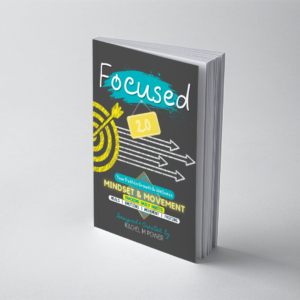
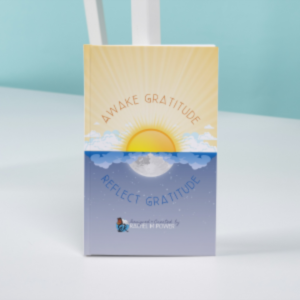
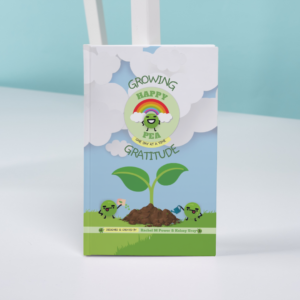
Every journal I’ve created was born from my own healing journey. Pages that once held my reflections, questions, dreams and quiet prayers for clarity. What began as a personal practice slowly grew into tools I now share with others: spaces for gratitude, release, and self-discovery. Each resource is designed to help you reconnect with yourself through mindful writing, creative flow, and emotional awareness.
In time, I’ll also be opening an online Journaling for Self-Discovery group, a gentle space to explore these practices together, share insights, and deepen your connection with your inner voice. Until then, here are a few supportive resources to guide and inspire your journaling journey.

Share:
Send Us A Message
Table of Contents
The Invitation
If this resonates with you, I’d love to share all the other tools that helped me most. Because every word you write is a step closer to remembering — You’re worth discovering!
📝 Journals & eBooks
Prompts and guides to support your self-reflection.
🌿Courses & Workshops
Meditation, mindfulness, and Reiki to help you anchor and grow.
💫 Energy Healing & Circles
Safe, supportive spaces to reconnect with yourself.
✨ Digital Resources & Printables
Simple tools to bring mindfulness into daily life.