
You're Worth Discovery
Discover the tools, reflections, and rituals that help you uncover who you really are.
There came a point where I realised I was the common denominator in the places I felt stuck β my relationships, my work life, even my finances. I knew I wasnβt broken, but I was exhausted from patterns of self-sabotage, low self-esteem, and an endless sense of not being enough. The way I treated myself on the inside had started to crack through to the outside, and I found myself surrounded by people who didnβt truly value me β because, deep down, I didnβt value me either.
The truth is, Iβm still figuring it out. Healing hasnβt been a single lesson but a multi-layered journey β years of unprocessed grief, trauma and low self-worth. Learning who I am has been the hardest and most liberating part. When I began to practice gratitude, changed the way I spoke to myself and lived more mindfully, life became a little lighter, joy started to seep in, and with it came the realisation that maintaining joy requires consistency, compassion, and courage.
Through shadow work, therapy, failed relationships, and rebuilding stronger connections with family, friends, and myself, Iβve chosen to believe: I am worth discovering. I am worth effort, care, and love β both from myself and from others. Anything less no longer aligns.Β
This part of my journey is about honouring the energy I want to live in. And while Iβm still untying the knots of self-worth I once placed in other peopleβs hands, I know this: the journey back to myself is worth it, because I am worth it and so are you!
Β π Hey There! Iβm Rachel Books, journaling, creating and energy work have been part of my journey back to myself. If youβd like to read more of my story, start here:
The very fact that youβre here, reading about being worthy of discovery, means youβve already taken the first step. Self-discovery doesnβt begin with a perfectly mapped plan or a flawless sense of who you are β it begins with a decision.
A choice to believe that you are worth the time, the space, and the effort it takes to get to know yourself. It starts with giving yourself permission. Permission to be curious, to wobble, to not have all the answers, and still begin anyway. The benefits to discovering yourself:
You start to see your patterns, values, and needs more clearly instead of living on autopilot.
Understanding where your wounds came from softens the way you treat yourself.
When you know your strengths and shadows, you can choose healthier habits and relationships.
Recognising your worth makes it easier to say βyesβ to what aligns and βnoβ to what drains you.
You stop outsourcing your worth to others and start standing in your own fire.
The noise inside quiets, and your choices begin to reflect who you truly are.
Sometimes it takes a map to begin exploring yourself. Frameworks like Myers-Briggs, the Enneagram, Human Design, or Astrology arenβt about boxing you in, but about giving you mirrors and language for the parts of yourself you might not yet see clearly. Theyβre not absolute truths, but they can highlight tendencies, patterns, and strengths you may not have named before.
What makes them powerful is the way they sit between science and spirit β some rooted in psychology and research, others in ancient wisdom and archetypes. The aim isnβt to accept every detail as fact, but to notice what resonates, let go of what doesnβt, and use these insights as starting points for deeper self-discovery.
The Myers-Briggs Type Indicator (MBTI)Β is one of the most widely used personality frameworks in the world. Inspired by the work of psychologist Carl Jung, it was developed by Katharine Briggs and her daughter Isabel Myers during World War II as a way to make Jungβs theories practical for everyday life.
At its core, MBTI explores your preferences β the natural ways you lean when it comes to energy, information, decision-making, and lifestyle. It doesnβt measure skills or abilities, but the tendencies you return to most often. Put together, these preferences form a four-letter type β like INFJ, ESTP, or ENFP β one of 16 possible personality types.
The purpose isnβt to box you in, but to offer language for how you see, process, and interact with the world. While itβs often used for career development, communication, and team building, MBTI can be just as powerful as a tool for self-reflection and journaling.
The framework is built around four key dichotomies, here are the four key areas MBTI looks at:
Energy β Where you focus your attention: Extraversion (E) or Introversion (I).
Information β How you take in information: Sensing (S) or iNtuition (N).
Decisions β How you make choices: Thinking (T) or Feeling (F).
Life Approach β How you deal with the world: Judging (J) or Perceiving (P).
Together, these form your MBTI type β a shorthand for understanding how your mind prefers to operate, and a mirror for reflecting on how you engage with yourself and others.
Β

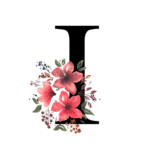
Recharge in solitude, turning inward for energy and insight.
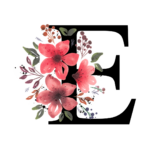
Recharge through connection, drawing energy from people and activity.
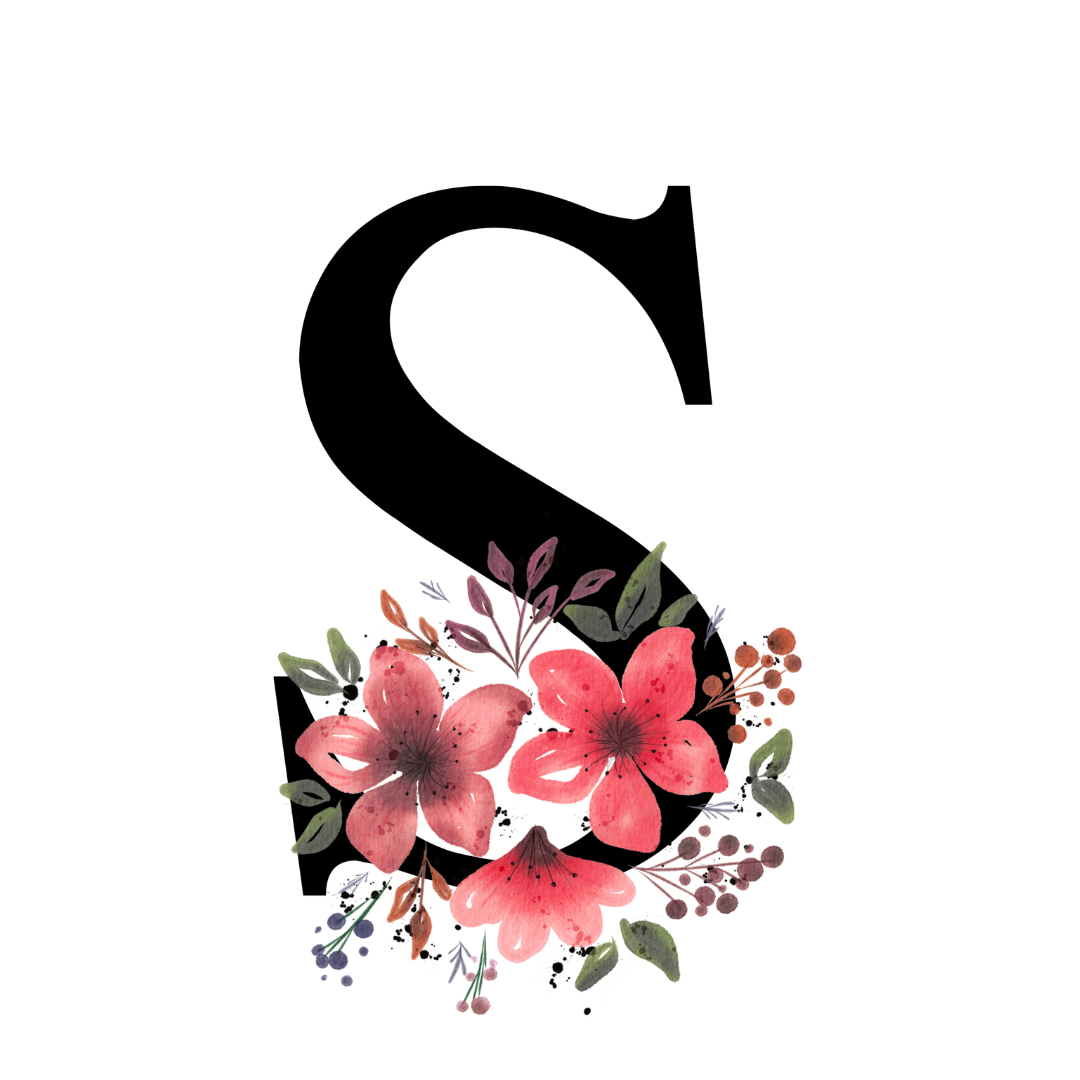
Focus on facts, details, and what can be observed in the here and now.
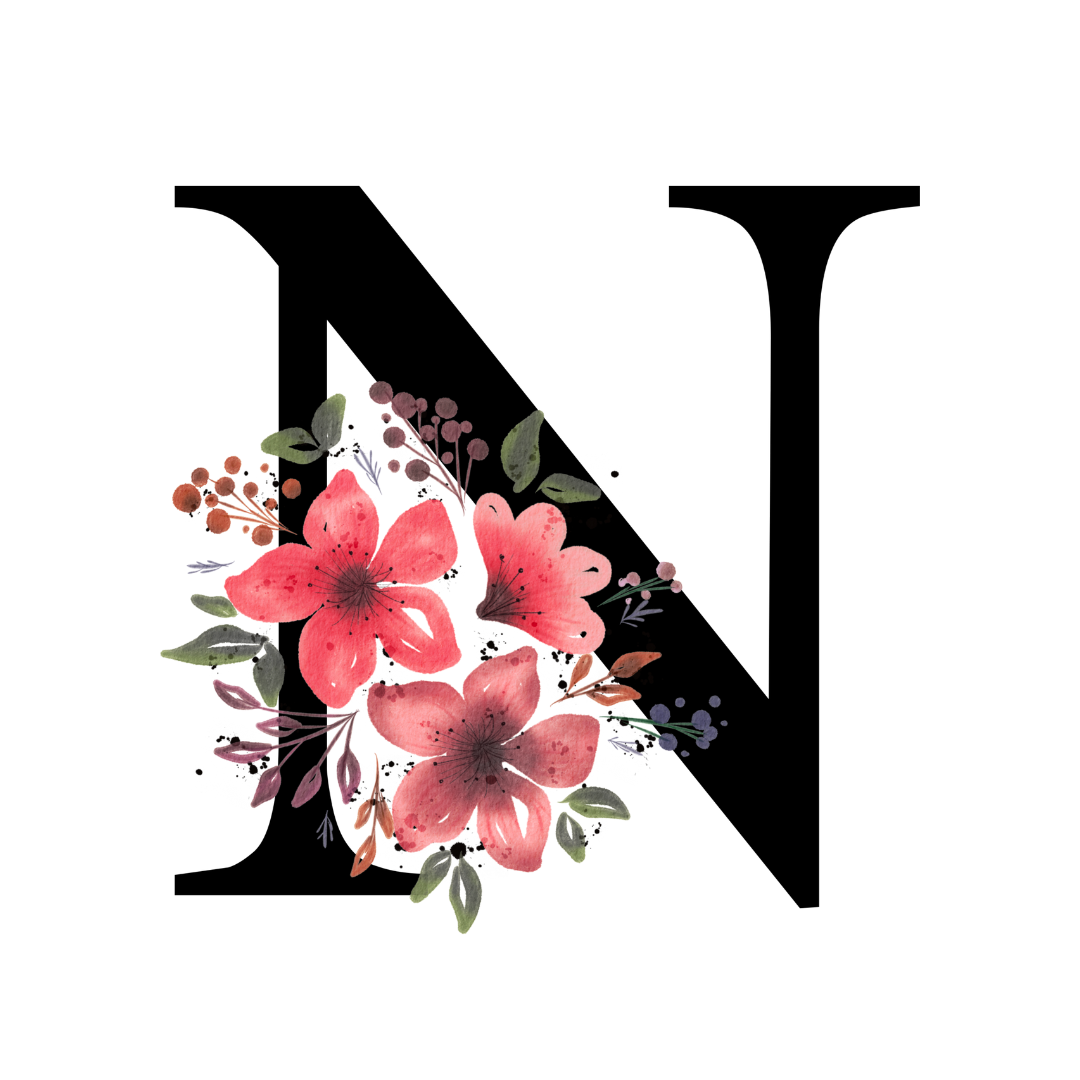
Focus on patterns, possibilities, and the bigger picture beyond the obvious.
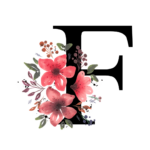
Make decisions with empathy, values, and attention to peopleβs needs.

Make decisions with logic, clarity, and objective reasoning.

Prefer structure, plans, and a sense of order.
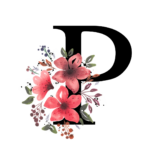
Prefer flexibility, spontaneity, and keeping options open.
The Enneagram is a framework of nine interconnected personality types, each shaped by a core motivation and a core fear. Unlike MBTI, which focuses on preferences, the Enneagram digs deeper into why you do what you do β the inner drive that shapes your patterns, strengths, and blind spots.
Each type reflects a different way of seeing the world, and while you may resonate with aspects of several, one usually feels like βhome base.β The beauty of the Enneagram is that it doesnβt just describe you β it also points to your growth path.
What makes the Enneagram so powerful is its focus on evolution. Every type carries both gifts and challenges, and the system highlights how you can stretch toward balance and wholeness. It also shows the connections between types, mapping how you might react under stress or in seasons of growth β giving a more layered picture of your inner landscape.
Principled, responsible, striving for integrity and high standards.
Caring, generous, motivated by a need to feel loved and appreciated.
Driven, adaptable, focused on success and recognition.
Creative, sensitive, longing for authenticity and significance.
Curious, analytical, craving knowledge and independence.
Responsible, committed, motivated by a need for security.
Energetic, optimistic, chasing experiences and avoiding pain.
Strong, assertive, motivated by a need for control and protection.
Easygoing, accepting, seeking harmony and avoiding conflict.
The Human Design System is often described as a map of how your energy is designed to move through the world. It blends together astrology, the I Ching, the Kabbalah, the chakra system, and quantum physics to create whatβs called a BodyGraph β a chart unique to your date, time, and place of birth.
Where MBTI and the Enneagram focus on personality and motivation, Human Design zooms in on energy and decision-making. It suggests that we all have a natural way of using our energy and that life feels smoother when we align with it instead of pushing against it.
What makes Human Design powerful is the way it gives permission. It can validate why you may feel drained doing things that others seem to thrive on, or why you need more rest, structure, or freedom than the people around you. Itβs not about limitation, but about living in flow with your own energy.
One of the first things Human Design reveals is your Type, which highlights how youβre meant to exchange energy with the world:
The builders, with sustainable energy to master what they love.
Multi-passionate, fast-moving hybrids who love to pivot and explore.
The guides, designed to see others deeply and thrive when invited to share their wisdom.
The initiators, here to spark movements and set things in motion.
The mirrors, deeply attuned to their environment and here to reflect the health of their community.
Astrology is one of the oldest tools for self-discovery. At its heart, itβs not about fortune-telling but about reflection. Your natal chart β a map of where the planets were at the exact time and place you were born β is like a cosmic snapshot of your potential, patterns, and personality.
Most people only know their sun sign (the zodiac sign tied to their birthday), but your chart is much richer than that. Your moon sign reflects your inner emotional world, your rising sign (ascendant) shows how others see you, and the rest of the planets highlight different aspects of your life: love, communication, ambition, spirituality, and more.
What makes astrology powerful is its use of archetypes. Each planet and zodiac sign has a symbolic meaning, and when you blend them together in your chart, you begin to see repeating themes. These symbols donβt dictate your fate β they give you metaphors and mirrors for understanding yourself more deeply.
Core identity, life force, and essence.
Emotions, inner needs, private self.
How others perceive you; your outward style.
Each planet represents an area of life.
Your body is always speaking β sometimes in whispers, sometimes in shouts. A tight chest, a sinking stomach, a buzzing nervous system, or a sudden flare of pain often tells you more truth than your thoughts do. Where the mind can rationalise, deny, or distract, the body reveals whatβs really happening.
Practices like mindfulness, yoga, Reiki, or even a few deep breaths can help you tune in. When you pause and listen, youβll notice the signals you usually brush past: tension after a draining conversation, lightness around certain people, exhaustion when youβre out of alignment.
One of the most powerful exercises is to map your bodyβs story. Write down the illnesses, injuries, or recurring pains youβve experienced and place them on a timeline. Then ask yourself: Where was I emotionally at that time? What was happening in my life? You may begin to see patterns between your physical health and your emotional world.
Your body isnβt working against you β itβs signalling what needs attention. Whether itβs rest, boundaries, grief, or joy, the body often knows before the mind is willing to admit it. Learning to listen means you no longer have to wait for the whispers to turn into shouts.
Ways to Connect With Your Body:
Take three slow breaths, placing a hand on your chest or belly. Notice where the breath flows easily and where it feels blocked.
Setch a simple outline of a body and mark where you feel tension, pain, or energy today. Repeat over time to spot patterns.
Write down memorable illnesses, injuries, or flare-ups alongside what was happening emotionally at the time.
Try yoga, stretching, or a slow walk while noticing how each part of your body feels as it moves.
Ask yourself, βWhere do I feel this emotion in my body?β when youβre stressed, joyful, or uncertain.
Notice how food, rest, touch, or stillness affect your energy and mood β treat your body like a feedback system, not a machine.
At some point in self-discovery, the question shifts from βWho am I?β to βHow do I want to live?β This is where values and purpose come in. When you know what truly matters to you β freedom, connection, growth, peace, creativity, love β you begin to use them as a compass. Instead of drifting into roles and routines that donβt fit, your values guide your choices toward alignment.
Living in alignment doesnβt mean life will always feel easy, but it does mean your choices begin to reflect your truth. When youβre clear on your values, you can ask yourself: Does this job, relationship, or habit honour what I value most? Or does it pull me away from it? That awareness alone can transform the way you move through the world.
Take a master list of common values (freedom, honesty, creativity, growth, peace, etc.) and circle the 5 that feel most important right now.
Reflect on one of your happiest life moments and one of your hardest. Ask: What values were being honoured? What values were being ignored?
Think of a goal or dream you have. Ask yourself why five times in a row. Your final answer often reveals the value driving it.
Write down 3 people you admire. What qualities do you love about them? Those often point to values you want to embody.
Look at your current job, relationships, or habits. Which align with your values? Which pull you away from them?
Explore the Japanese concept of ikigai (a reason for being) by noting: What I love, What Iβm good at, What the world needs, What I can be paid for. Notice where these circles overlap.
Sometimes words arenβt enough. Writing, painting, dancing, singing, playing music β these practices bypass the busy mind and tap straight into the soul. When you create, you access the raw, unfiltered parts of yourself that donβt need logic or explanation.
When you give yourself permission to create, you give your inner world a voice. A doodle can reveal your mood. A melody hummed in the kitchen can carry feelings you didnβt know how to name. A free-write, scribble or kitchen disco dance competition can unlock stuck energy and remind you of your aliveness.
The key is to create for yourself, not for approval. No one else ever has to see it. This is about reconnecting with your essence β messy, playful, and real.
Set a timer for 5 minutes and write without stopping or censoring. Let the pen move faster than your thoughts.
Grab paints, crayons, or markers and make marks without worrying about the outcome. Focus on colours, shapes, and movement.
Put on one song that matches your mood and let your body move however it wants β no choreography, no rules.
Hum, sing, or even let out a sigh or chant. Notice how different sounds shift your energy.
Take a slow walk with your phone or camera, snapping photos of whatever catches your eye. Let your intuition guide what you notice.
Knitting, clay, cooking, gardening β any tactile act that helps you express without words.
In a world that rewards busyness, silence can feel uncomfortable at first. Sitting still, going for a slow walk in nature, or simply spending time alone without distraction can stir up restlessness or even loneliness. But silence and stillness are where you begin to hear the parts of yourself that normally get drowned out by noise.
When you give yourself the gift of quiet, you create space for truth to rise. Old emotions may surface, new ideas may appear, or you may just feel the relief of not having to perform for anyone. Over time, stillness becomes less about emptiness and more about presence β a chance to be with yourself exactly as you are.
Getting comfortable in your own company is one of the deepest forms of self-discovery. It teaches you that you donβt need constant distraction or validation to feel whole. Instead, you learn to trust your inner voice, to rest in your own energy, and to discover the calm that was always within you.
β¨ Silence isnβt the absence of sound β itβs the presence of yourself.
Spend a moment sitting without music, phone, or distraction. Just notice your breath and surroundings.
Take a slow walk outdoors and focus only on what you see, hear, and feel β no podcasts, no multitasking.
Try a short guided meditation, or simply breathe in for 4 counts, out for 4 counts, until your body relaxes.
End your day by sitting quietly in bed or by a window, reflecting on one moment of peace from the day.
If this resonated with you, Iβd love to support your journey too.
You can explore my Journals, eBooks, Journaling groups, Reiki sessions, and Mindfulness classes β each one is designed to give you the same lifelines that helped me: a safe space to pause, reflect, and begin again.
From guided journals and eBooks for self-reflection, to courses and energy healing sessions, youβll find tools and spaces that gently remind you:
You’re worth discovering.
Prompts and guides to support your self-reflection.
Meditation, mindfulness, and Reiki to help you anchor and grow.
Safe, supportive spaces to reconnect with yourself.
Simple tools to bring mindfulness into daily life.