

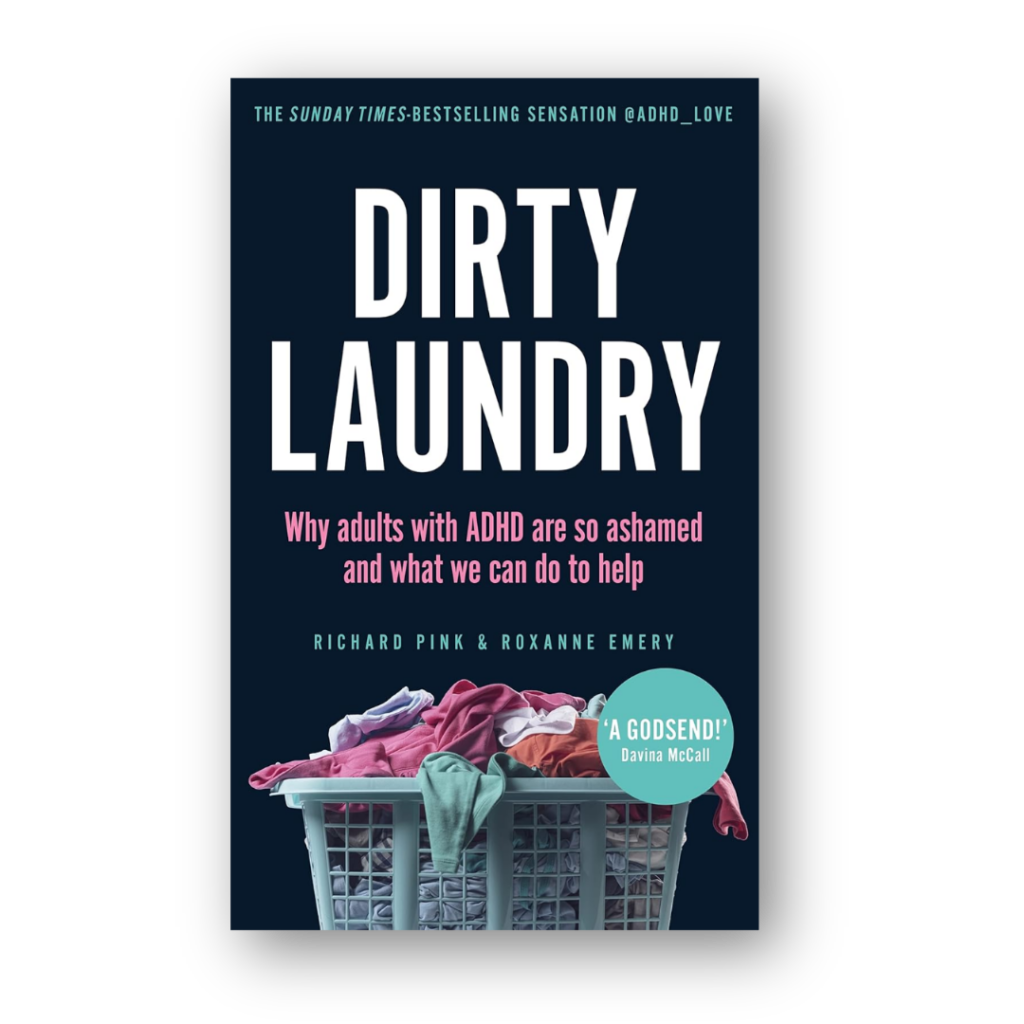
Dirty Laundry
🧠 Expert Insight: ADHD and Relationship Dynamics
One of the reasons Dirty Laundry resonates so deeply with readers is that it reflects a well-documented psychological reality: ADHD affects far more than focus and productivity—it can significantly shape emotional regulation and relationship dynamics.
According to ADHD researcher Russell Barkley, ADHD is fundamentally a disorder of self-regulation, not simply attention. This means that individuals with ADHD may struggle with managing impulses, emotional responses, and task follow-through—all of which can unintentionally affect their partners.
For couples, this often creates a pattern sometimes called the “parent–child dynamic.” One partner may take on the role of organiser, reminder, or emotional regulator, while the other partner feels criticised, ashamed, or overwhelmed. Over time, both partners can end up feeling misunderstood.
Research in ADHD and relationships shows several common patterns:
Emotional intensity – ADHD brains often process emotions quickly and deeply.
Executive function struggles – difficulties with planning, remembering, or completing tasks.
Rejection sensitivity – heightened emotional pain from perceived criticism or disappointment.
Shame cycles – repeated experiences of “failing” expectations can create deep feelings of inadequacy.
What Dirty Laundry does particularly well is shift the narrative away from blame and toward understanding how neurodiversity affects both partners. Instead of framing ADHD as a personal failure, the book explores how couples can work together with compassion, communication, and practical strategies.
Experts in neurodivergent relationships often emphasise that awareness is the first step toward healthier dynamics. When partners understand how ADHD affects behaviour, many conflicts start to make more sense—and solutions become easier to find.