Connect with the true essence of meditation — awareness, presence, and understanding your mind. Discover how simple practices can help you observe your thoughts, reduce overthinking, and create a sense of calm in everyday life.
Explore the foundations of meditation by clicking the images below. Learn different techniques, build a consistent practice, and find a style that works for your mind, your energy, and your daily life.
Meditation supports changes in the brain, improving focus, reducing stress, and strengthening awareness. You learn to sit, to breathe, to observe your thoughts more clearly. Over time, neural pathways strengthen naturally, gently, and without force.
Meditation has been studied across neuroscience, psychology, medicine, and consciousness research, revealing clear links to stress reduction, improved attention, emotional regulation, and overall health. It also influences how we focus, process emotion, recover from stress, and relate to something beyond our immediate experience.
While some areas—like changes in brain function, sleep, blood pressure, and pain—are well supported, others, such as self-transcendence, altered states, and collective effects, are still being explored and debated. Not everything is fully proven, but that doesn’t make it insignificant. It simply shows where evidence is strong, where it’s growing, and where science is still catching up. This blog explores meditation through four layers: mind, body, spirit, and community.
Meditation has strong research around attention, self-awareness, emotional regulation, and how we process thoughts and mental patterns.
Evidence shows benefits for stress response, sleep quality, blood pressure, and some pain outcomes, even if results vary across studies.
Research is beginning to explore experiences linked to connection, and self-transcendence, while recognising these are still complex and not fully understood.
There is some evidence for prosocial behaviour, empathy, and connection, alongside more debated research into wider group or collective effects.
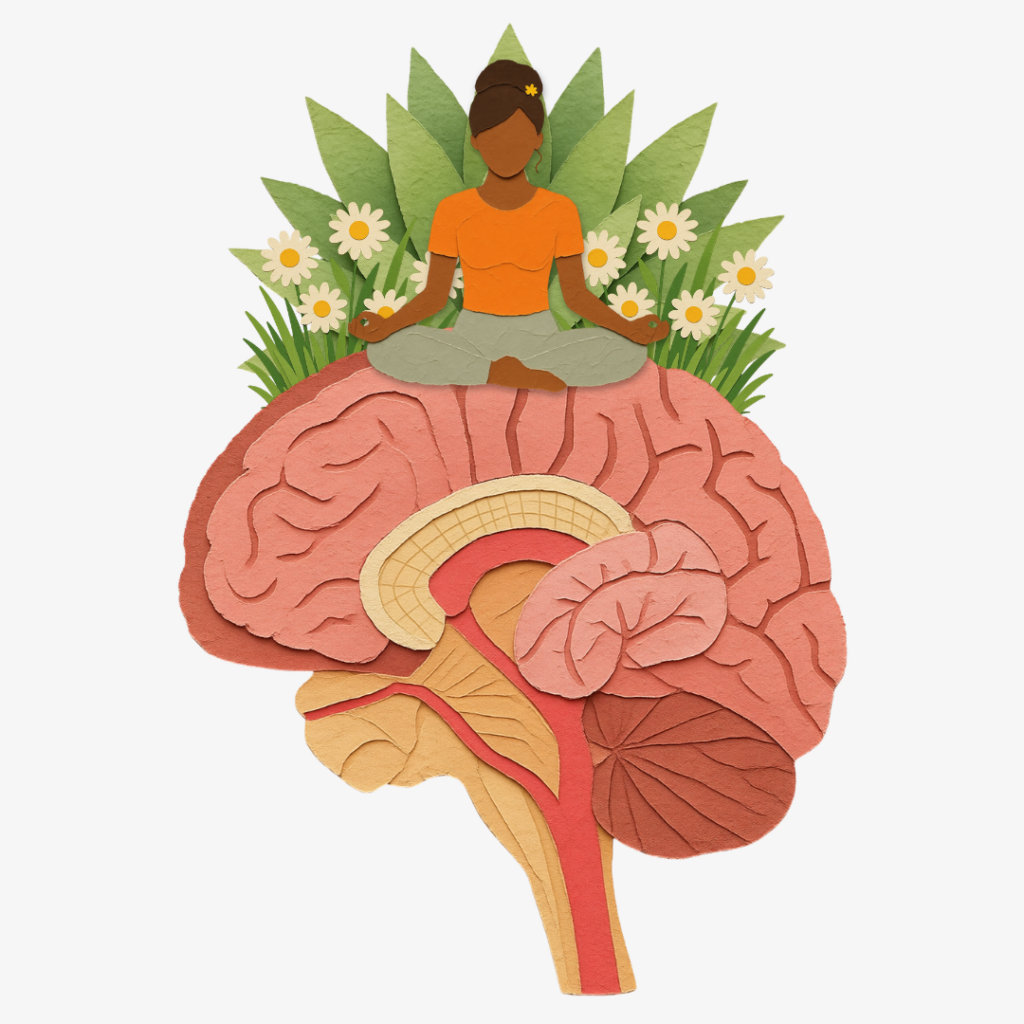
Meditation changes your relationship with your thoughts.
At the start, most people assume the goal is to “stop thinking.” What actually happens is the opposite — you become more aware of how much thinking is already happening. Over time, that awareness becomes the shift. Instead of being pulled into every thought, you begin to notice them as they arise. You see patterns more clearly. You pause more often. You stop reacting automatically. It’s not about having fewer thoughts. It’s about having more space around them. This is where the real impact lives:
With consistent practice, meditation starts to change how your brain processes attention, stress, and self-talk.
Instead of constantly jumping between thoughts, the brain becomes better at stabilising attention. At the same time, areas linked to emotional reactivity become less dominant, while areas linked to awareness and decision-making become more active. This is where neuroplasticity comes in — the brain’s ability to rewire itself based on repeated experience.
The more you practice noticing thoughts without reacting, the more your brain learns that pattern as the default. In simple terms:
This isn’t just theory — it’s been studied across psychology and neuroscience for years. Research summarised in Nature Reviews Neuroscience describes mindfulness as a form of mental training that improves attention control, emotional regulation, and self-awareness. There’s also strong clinical evidence.
The National Center for Complementary and Integrative Health reports that mindfulness-based approaches can reduce symptoms of anxiety and depression and are more effective than no treatment.
A study published in JAMA Psychiatry found mindfulness-based stress reduction performed similarly to escitalopram for people with anxiety disorders.
Studies also show changes in brain regions such as:
Learn how meditation rewires your mind through → Neuroplasticity?
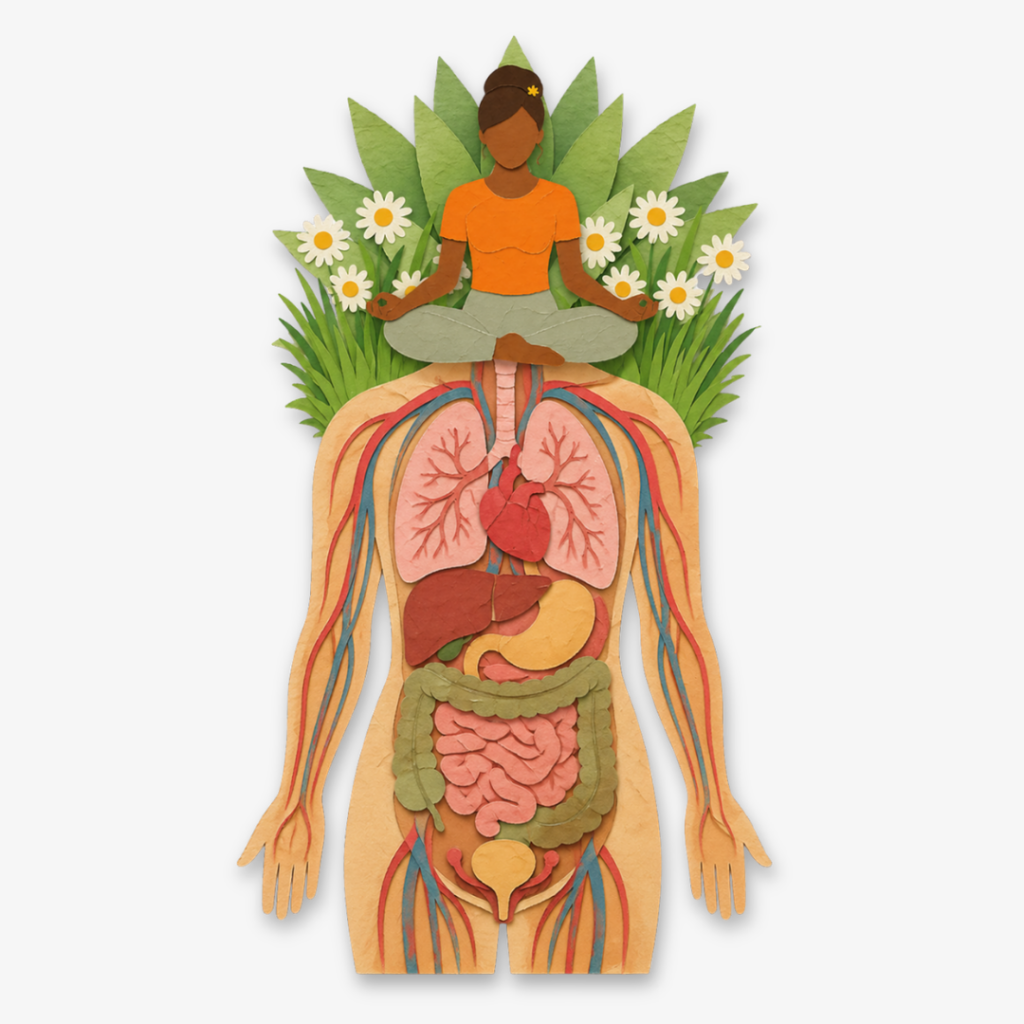
Meditation doesn’t just change how you think — it changes how your body feels and responds.
Most people live in a low-level stress state without realising it. Tight shoulders, shallow breathing, restless sleep, constant tension in the background. Meditation works by interrupting that pattern.
As you practice, your body begins to shift out of “always on” mode. Your breathing slows, muscles soften, and your nervous system starts to settle. It’s subtle at first — but it builds. Over time, you might notice:
Meditation primarily works through the nervous system.
When you’re stressed, your body activates the sympathetic nervous system (fight-or-flight). This increases heart rate, tightens muscles, and keeps you alert.
Meditation helps activate the parasympathetic nervous system (rest-and-digest), which does the opposite — it slows things down and allows the body to recover. This doesn’t mean stress disappears. It means your body gets better at not staying stuck in it. In simple terms:
There is solid evidence that meditation supports physical aspects of health — particularly those linked to stress.
Research referenced by the National Center for Complementary and Integrative Health suggests mindfulness and meditation can help reduce perceived stress, support sleep, and may lower blood pressure. That said, results can vary depending on the person, the type of practice, and how consistent it is. Meditation is best understood as a supportive tool for the body, not a replacement for medical treatment. Some studies also show:
Research consistently shows mindfulness meditation can improve sleep quality, particularly in people experiencing mild sleep difficulties. It supports relaxation and helps reduce the mental activity that often interferes with falling asleep.
Studies show meditation can lead to small but meaningful reductions in blood pressure, especially in people with elevated levels or chronic stress.
Meditation supports the body’s stress response by reducing perceived stress and improving recovery, even though biological markers like cortisol do not always show consistent changes across studies.
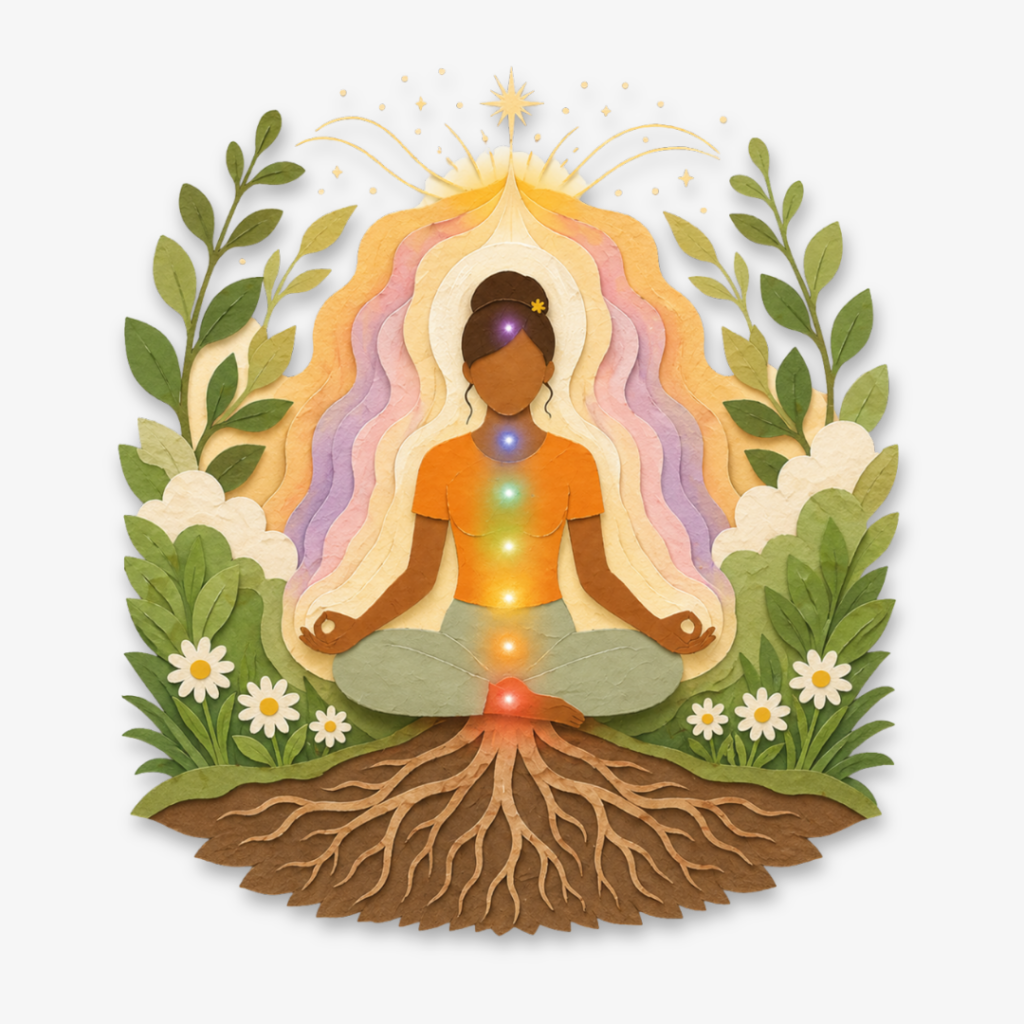
Meditation often leads to experiences that go beyond thoughts and physical sensations.
People describe feeling more connected — to themselves, to others, to nature, or to something bigger than their usual sense of identity. There can be moments of stillness, clarity, or a quiet sense that everything has softened or opened. This isn’t something you force — it tends to emerge when the mind becomes quieter and less reactive. You might notice:
These experiences are often linked to shifts in how the brain processes the “self.”
Normally, we operate with a strong sense of “me” — my thoughts, my problems, my story. Meditation can soften that constant self-referencing, allowing awareness to feel broader and less fixed. This is sometimes described as self-transcendence — not losing yourself, but loosening the grip of your usual identity. In simple terms:
Science doesn’t frame these experiences as “spiritual truth,” but it does study them as real and measurable states. Studies discussed in journals like Frontiers in Psychology and broader neuroscience research are beginning to explore how meditation can shift identity, perception, and sense of self.
This doesn’t prove any spiritual belief — but it does show that these experiences are consistent, observable, and widely reported. Research into self-transcendent experiences shows changes in brain activity linked to:
There is solid evidence that meditation supports physical aspects of health — particularly those linked to stress.
Research referenced by the National Center for Complementary and Integrative Health suggests mindfulness and meditation can help reduce perceived stress, support sleep, and may lower blood pressure. That said, results can vary depending on the person, the type of practice, and how consistent it is. Meditation is best understood as a supportive tool for the body, not a replacement for medical treatment. Some studies also show:
Discover how energy practices help support awareness, balance, and emotional processing → What is Reiki?
Claim your FREE eBook and embark on a path of discovery into not only how meditation works but how to make it a habit! To access the eBook for free, simply enter your name and e-mail.
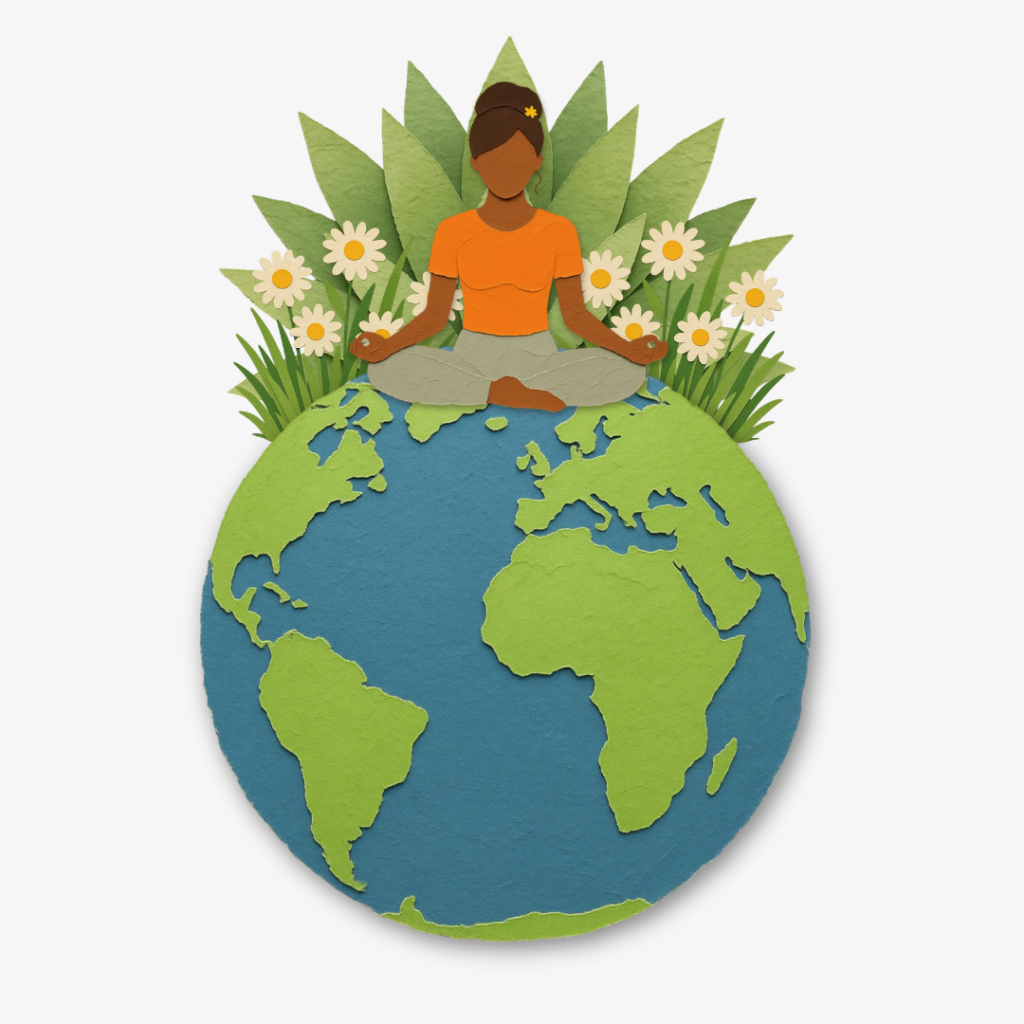
Meditation doesn’t just change your inner world — it can change how you relate to other people.
As you become less reactive and more aware, your interactions tend to shift. You listen more. You pause more. You’re less driven by defensiveness or ego. And when this happens across groups — even in small ways — it changes the tone of relationships, spaces, and communities. Over time, this can lead to:
Humans are not isolated systems — we constantly influence each other.
Through things like tone, body language, attention, and emotional state, we affect how others feel and respond. This is sometimes described as emotional contagion — where moods and states can spread between people. When individuals are calmer and more aware, the environment around them tends to reflect that. Meditation appears to strengthen the internal stability that feeds into this:
Science is actively studying how meditation influences social connection, compassion, and group dynamics. Studies published in journals like Psychological Science and Frontiers in Psychology explore how these practices influence social behaviour and connection.
There is also growing research into collective practices — such as group meditation — and how shared attention or intention may influence group wellbeing, though this area is still developing. The Maharishi Effect is one of the more well-known ideas in this space, suggesting large groups meditating together could influence societal outcomes. While intriguing, it remains controversial and not widely accepted as conclusive evidence.
Research has found that practices like mindfulness and loving-kindness meditation can:
Explore the idea of collective consciousness and group meditation → Maharishi Effect
Across mind, body, spirit, and community, meditation is best understood as a form of training that shapes how we relate to experience.
Its modern clinical foundation is often linked to Jon Kabat-Zinn, who helped introduce mindfulness into Western medicine through Mindfulness-Based Stress Reduction (MBSR). Since then, meditation has moved from a niche or spiritual practice into something widely studied across psychology, neuroscience, and health research.
What’s clear is not that meditation solves everything, but that it consistently influences key areas of human functioning — particularly how we process thoughts, regulate emotions, respond to stress, and relate to ourselves and others. At the same time, research continues to explore more complex and subjective aspects of the practice, including identity, meaning, and connection, while remaining careful about interpretation. Some findings are well-established, some are still developing, and others continue to be debated. Taken together, this points to a simple but important shift: meditation doesn’t change life by removing difficulty — it changes how we meet it.
Below are selected studies supporting the insights explored across each section.
The more I’ve explored the science behind meditation, the more it’s confirmed something I’ve felt for a long time—this isn’t just a “nice practice,” it’s something that genuinely changes how you experience life.
It’s helped me notice patterns earlier, create space before reacting, and respond more intentionally. I’ve felt the shift in how I handle stress, how my body settles, and in moments where I would have spiralled before but now don’t in the same way. It’s subtle, but it builds—and that’s where the real change happens.
The Maharishi Effect really stayed with me. The idea that inner calm can ripple outward has shaped how I approach meditation and Reiki. It’s inspired how I create, especially in distant Reiki and guided meditations, where the intention is not just personal calm but something shared and connective.
Meditation hasn’t been about big breakthroughs every time. It’s been about showing up, even in small ways, and letting those moments build over time. That consistency is what’s created the biggest shifts in how I feel, think, and move through life.
If you’d like to explore the story behind the work → About the Creator
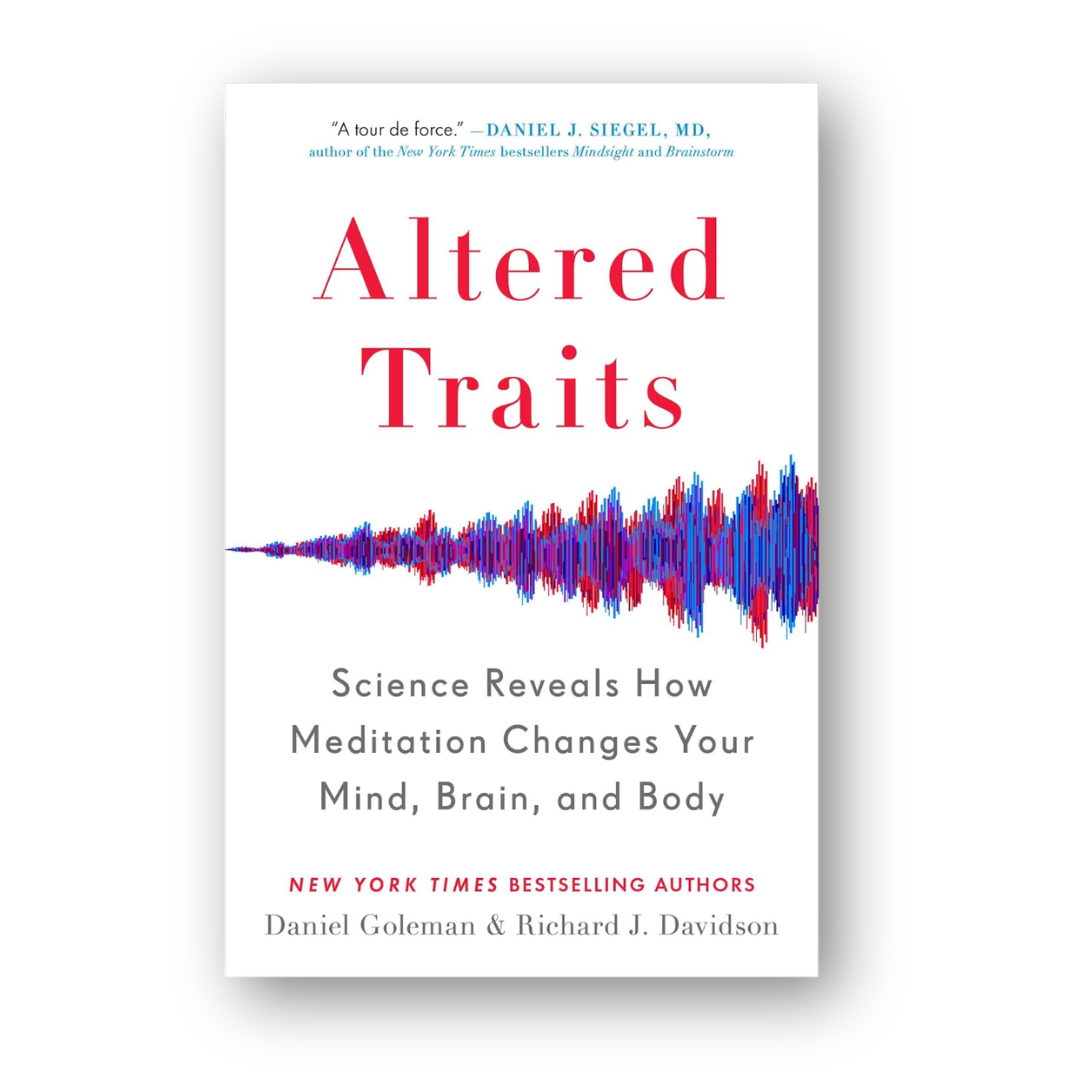
If this blog opened up a new avenue for you—one where you can move through life with more awareness and compassion—here are a few book recommendations to help you continue that journey.
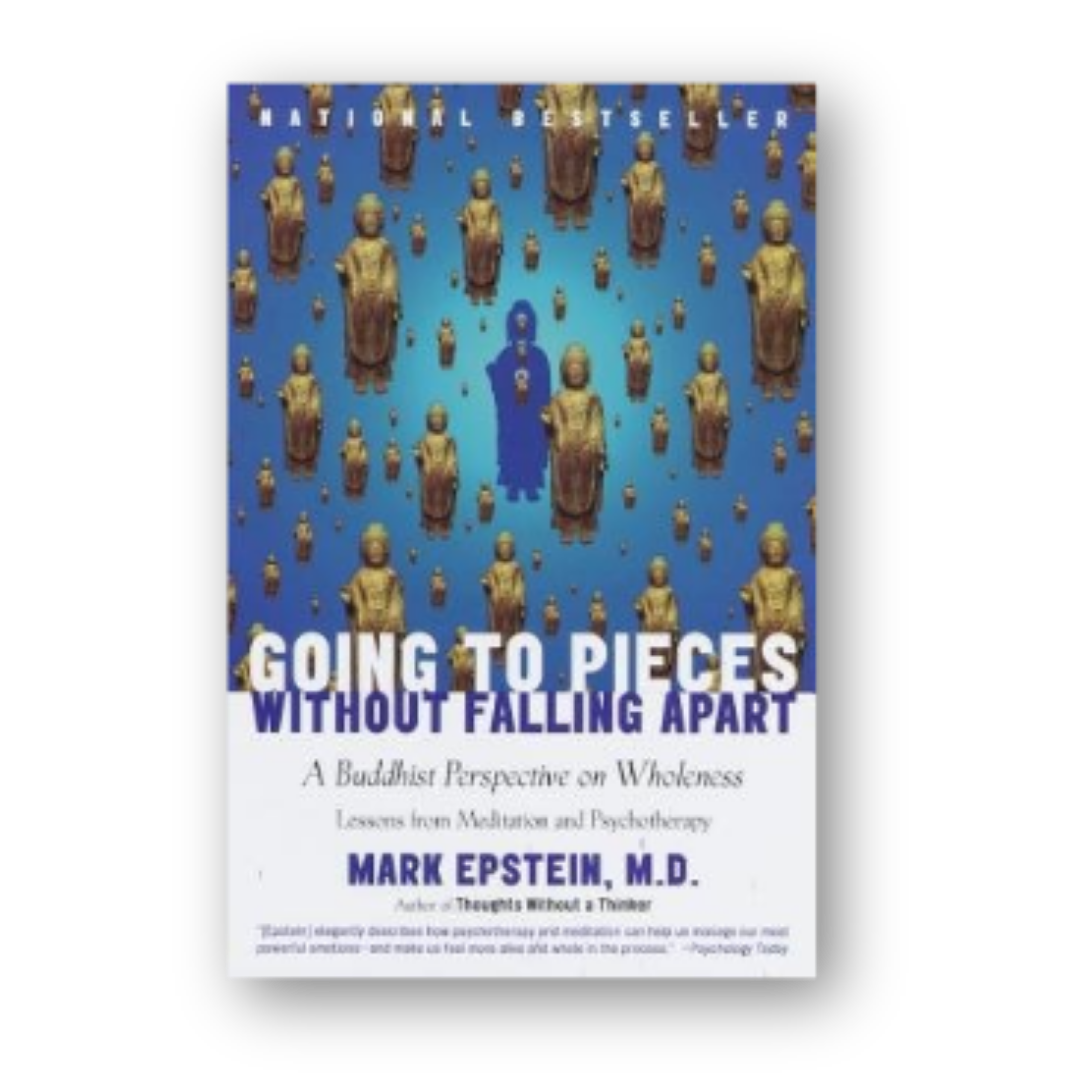
Mark Epstein
A grounded exploration of how meditation and psychology help you understand yourself without needing to “fix” who you are.
Sponsored

Robert Sapolsky
A clear and engaging breakdown of how stress affects the body and why practices like meditation can help regulate it.
Sponsored
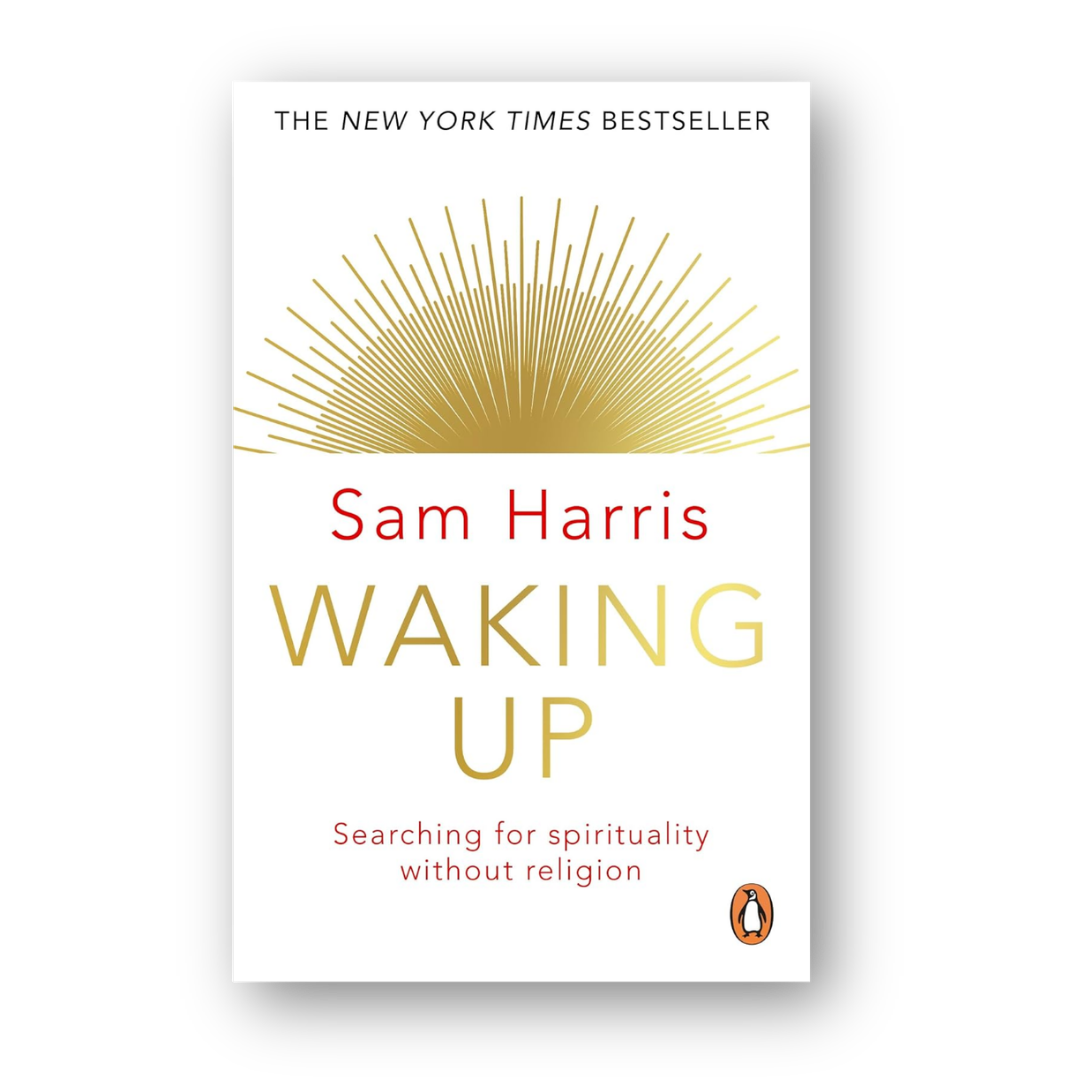
Sam Harris
A practical guide to understanding consciousness and self-transcendence through a modern, science-led lens.
Sponsored
If this helped you understand meditation in a clearer, simpler way, the next step isn’t just learning more — it’s experiencing it for yourself. Understanding something intellectually is one thing, but actually feeling the shift in your mind, your body, and your reactions is where real change begins. You don’t need to have it all figured out, and you don’t need to be “good” at meditation. You just need a place to start, and the willingness to come back to yourself.
There’s no pressure to do everything or rush the process — just choose the path that feels like the right next step for you. So wherever you are right now, here are a few ways you can go deeper.

If you’re ready to build a consistent practice and feel more calm, focused, and in control of your mind. Explore meditation classes & guided sessions.
👉 Start Your Meditation Practice

If you’re feeling overwhelmed, emotionally heavy, or disconnected and need something more restorative and energetic. Experience Reiki & nervous system reset sessions
👉 Book a Reiki Session

If your mind feels full and you need a way to process your thoughts, emotions, and patterns more clearly. Discover guided journaling tools & prompts
👉 Explore Journaling Tools
Explore the foundations of meditation by clicking the images below. Learn different techniques, build a consistent practice, and find a style that works for your mind, your energy, and your daily life.
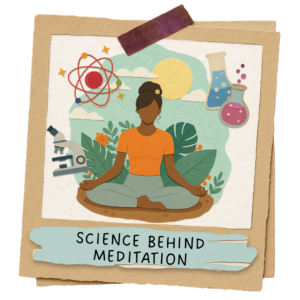
Not sure where to go next? Start by exploring the topics below.
If this resonated with you, I’d love to hear what landed, what stood out to you most? And what did you like learning about?
Please share your thoughts it below.
Mindfulness & Meditation Course for Health & Wellbeing
Stay connected with meditation classes, webinars, wellbeing resources, and upcoming events.
Coming Soon!
Unfortunately, due to the unexpected closure of The Nook Yoga Studio, Reiki sessions at this location are no longer available. I’m currently arranging a new treatment space in the Tewkesbury area and will share details as soon as everything is confirmed.
Thank you for your patience and continued support during this unexpected change.
20 minute call to find the best support for you and your wellbeing.