Connect with the true essence of meditation — awareness, presence, and understanding your mind. Discover how simple practices can help you observe your thoughts, reduce overthinking, and create a sense of calm in everyday life.
Explore the foundations of meditation by clicking the images below. Learn different techniques, build a consistent practice, and find a style that works for your mind, your energy, and your daily life.
Meditation is a gentle, accessible wellbeing practice that encourages greater awareness, inner calm, and a healthier relationship with yourself. More than simply sitting in silence, meditation is a complete practice with its own history, philosophy, traditions, and practical ways of understanding the mind and supporting wellbeing.
Meditation is often described as a way to relax, but there is much more to it than sitting quietly with your eyes closed. Meditation has its own history, philosophy and system of practice, with traditions that include mindfulness, breath awareness, compassion, movement and techniques for everyday wellbeing.
To understand what meditation really is, we need to explore the meaning behind its name, where the practice came from, how meditation is experienced today, and some of the most common questions people have before beginning their own practice.
Discover meditation as a practical skill for developing awareness, attention and emotional wellbeing.
Meditation is often thought of as sitting quietly with your eyes closed, trying to empty your mind. In reality, meditation is the practice of training your attention, developing awareness, and learning to observe your thoughts, emotions and experiences with greater curiosity rather than judgement.
During meditation, the mind will naturally wander. The practice isn’t about stopping thoughts or achieving perfect stillness—it’s about gently noticing when your attention has drifted and bringing it back, whether that’s to the breath, the body, a sound or the present moment. Every time you return your attention, you’re strengthening an important mental skill.
People meditate for many different reasons. Some practise to reduce stress or improve sleep, while others seek greater focus, emotional balance, self-understanding or spiritual growth. Although traditions and techniques vary, the intention remains much the same: becoming more aware of yourself and your experience of life.
Regular meditation can gradually influence the way we respond to everyday situations. Rather than reacting automatically, we begin to notice our thoughts, emotions and habits with greater clarity, creating space to choose how we respond instead. The goal of meditation isn’t to stop thinking, it’s to change your relationship with your thoughts, by becoming more aware of the person you already are.
At the heart of meditation is a simple idea: we cannot always control what happens around us, but we can learn to change how we relate to our thoughts, emotions and experiences. Rather than asking us to become someone different, meditation gently develops qualities that help us respond to life with greater awareness, presence and compassion.
Unlike some traditions, meditation doesn’t have one universal set of principles. Instead, practices from around the world share common qualities that naturally deepen over time. They aren’t goals to achieve overnight—they are ways of relating to yourself and the world that become stronger through regular practice.
Meditation begins with a single moment of awareness. One breath. One thought noticed. One gentle return to the present. Over time, those small moments can influence how we meet the rest of our lives.
Awareness is the foundation of every meditation practice. It begins by noticing your thoughts, emotions, body and surroundings without immediately trying to change them. Instead of living on autopilot, you become more conscious of what is happening within and around you.
With practice, awareness extends beyond meditation itself. You may begin to notice patterns, habits and emotional triggers more clearly, creating opportunities to respond with greater intention rather than automatic reaction.
Our minds naturally drift between memories of the past and worries about the future. Meditation gently invites us back to what is happening right now, using the breath, the body or our surroundings as an anchor to the present moment.
Presence isn’t about ignoring life’s challenges. It’s about fully experiencing the moment you’re in, allowing you to engage with life more clearly instead of becoming lost in constant mental distraction.
Meditation teaches us to acknowledge thoughts, emotions and experiences without immediately judging them as good or bad. Acceptance isn’t about giving up or approving of everything that happens—it’s about recognising reality before deciding how to respond.
By accepting what is present, we create space for wiser choices. Rather than fighting every uncomfortable feeling, we learn that emotions can be experienced, understood and allowed to move through us.
Thoughts, emotions and difficult experiences naturally come and go. Meditation helps us notice when we’re clinging to worries, expectations or self-criticism, and gently encourages us to release our grip rather than becoming consumed by them.
Letting go doesn’t mean forgetting or pretending something doesn’t matter. It means recognising that not every thought deserves your attention, and not every feeling needs to define who you are.
Many people discover through meditation just how harshly they speak to themselves. Compassion invites us to replace criticism with understanding, recognising that being human means making mistakes, learning and growing over time.
As self-compassion develops, it often becomes easier to extend that same patience and kindness to other people. Meditation reminds us that everyone experiences challenges, and that responding with empathy can strengthen both our relationships and our own wellbeing.
The word meditation comes from the Latin word meditari, meaning to think, reflect, contemplate or exercise the mind. It is also closely related to meditatio, which refers to the practice of thoughtful reflection or deep contemplation. The Latin verb meditari means to think deeply, reflect, consider or practise. It describes an intentional act of directing the mind rather than allowing it to wander aimlessly. This reminds us that meditation has always been about developing awareness through practice. It isn’t something we achieve once—it is a skill that grows each time we return our attention to the present moment.
Although the word has Western roots, meditation itself has developed across many cultures and traditions over thousands of years. While the techniques may differ, they all share a common purpose: helping us become more aware of our thoughts, emotions and experiences through intentional attention.
Today, meditation can mean many things depending on the tradition being practised. For some, it is a spiritual path. For others, it is a way to reduce stress, improve wellbeing or simply create a few moments of calm in a busy day. At its heart, meditation is less about doing and more about being.
Throughout history, meditation has often been linked with reflection and contemplation. While some traditions encourage quietly observing thoughts, others invite us to reflect on compassion, gratitude, wisdom or our relationship with the world around us. Rather than searching for the “perfect” meditation, many practices simply encourage us to pause, observe and become curious about our experience without judgement.
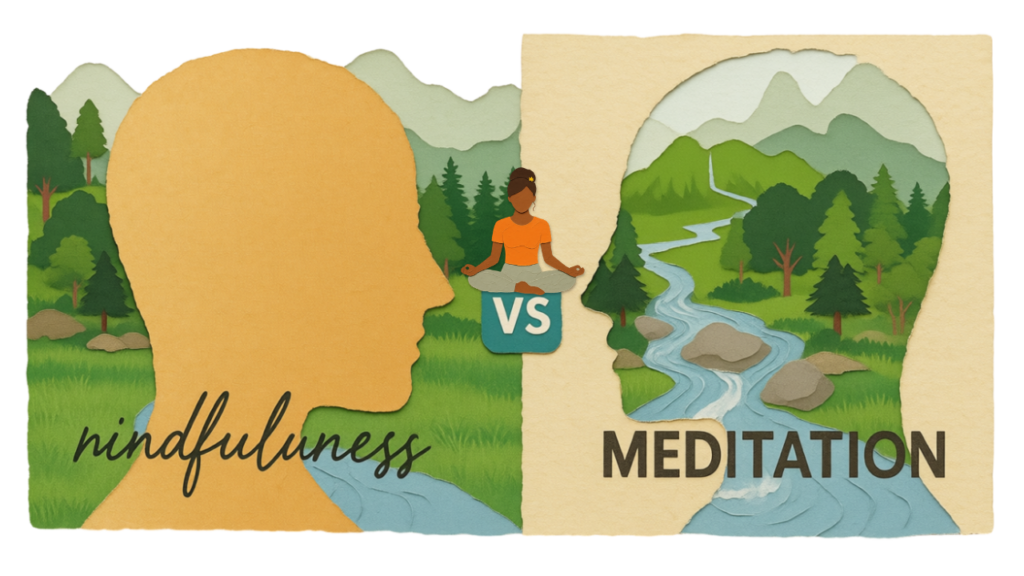
Although the words are often used interchangeably, they don’t mean exactly the same thing. Meditation and mindfulness are closely connected, but they are not identical. A simple way to think about it is this: meditation is the practice, while mindfulness is one of the skills that practice develops. You can meditate without being mindful throughout the rest of your day, and you can practise mindfulness without sitting down for a formal meditation session. Regular meditation simply makes it easier to bring mindfulness into everyday life.
Meditation is the intentional practice of training your attention and awareness. It usually involves setting aside dedicated time to focus on something specific, such as your breath, bodily sensations, sounds, a visualisation or feelings of compassion.
The purpose isn’t to stop thinking or switch off your mind. Instead, meditation helps you notice where your attention goes and gently guide it back whenever it wanders. Every time you do this, you’re strengthening important mental skills like focus, emotional awareness and self-regulation.
There are many different forms of meditation—including breath meditation, body scans, loving-kindness meditation, guided meditation and walking meditation—but they all share the common goal of developing greater awareness and presence.
Mindfulness is the quality of paying attention to the present moment with openness, curiosity and without unnecessary judgement. Rather than being a separate technique, mindfulness is something you can bring into almost any part of daily life.
You might practise mindfulness while drinking your morning coffee, walking the dog, listening to a friend, cooking dinner or even brushing your teeth. Instead of rushing through these moments on autopilot, mindfulness encourages you to fully notice what you’re experiencing through your thoughts, emotions, body and senses.
The more regularly you meditate, the easier it often becomes to carry this mindful awareness into everyday situations, helping you respond with greater clarity rather than reacting automatically.
Claim your FREE eBook and embark on a path of discovery into not only how meditation works but how to make it a habit! To access the eBook for free, simply enter your name and e-mail.
Meditation is one of the world’s oldest wellbeing practices, with evidence of meditative traditions dating back more than 5,000 years. While its techniques and purposes have evolved across cultures and generations, the central idea has remained remarkably consistent: training the mind through awareness, attention and intentional practice.
Rather than belonging to one religion or culture, meditation has been shaped by many traditions throughout history. It has travelled across continents, influenced philosophy and psychology, and today is practised by millions of people for spiritual growth, health, performance and everyday wellbeing.
Many of the earliest recorded meditation practices originated in ancient India, where they formed part of spiritual traditions described in the Vedas and later Hindu philosophies. Meditation was used as a way to develop self-awareness, deepen understanding and explore the nature of the mind.
Around the 5th century BCE, meditation became a central part of Buddhist practice. Teachings on mindfulness, concentration and compassion spread throughout Asia, with meditation becoming a practical way to reduce suffering and cultivate wisdom in everyday life.
As Buddhism spread into China and later Japan, meditation continued to evolve alongside local philosophies and traditions. Practices such as Zen meditation (Zazen) emphasised simplicity, direct experience and mindful awareness, shaping many of the meditation techniques recognised around the world today.
During the twentieth century, meditation became increasingly recognised beyond spiritual traditions. Teachers introduced meditation to Western audiences, while psychologists and researchers began exploring its effects on stress, attention, emotional wellbeing and physical health. One of the most influential developments came in 1979, when Jon Kabat-Zinn created Mindfulness-Based Stress Reduction (MBSR). By presenting mindfulness in a secular healthcare setting, meditation became more widely accessible and opened the door for extensive scientific research.
Today, meditation is practised in homes, schools, workplaces, hospitals and healthcare settings across the world. People meditate for many different reasons—from managing stress and improving sleep to enhancing focus, building resilience, supporting mental wellbeing or exploring personal and spiritual growth. Although traditions and techniques continue to evolve, meditation remains rooted in the same timeless intention: cultivating greater awareness of ourselves and the world around us.
Meditation works by giving your attention something intentional to return to, such as your breath, bodily sensations, a sound or the present moment. As your mind naturally wanders—and it will—you simply notice where it has gone and gently bring your attention back. Meditation is not limited to sitting cross-legged in complete silence. It can be practised while sitting, lying down, walking, listening, breathing or gently paying attention to the body. Some techniques use a clear point of focus, while others encourage open awareness of whatever arises.
The method may change, but the practice remains similar: noticing where your attention has gone and gently bringing it back. This might mean returning to the breath, the feeling of your feet on the ground, sensations within the body or the sound of a guiding voice.
There is no single “correct” way to meditate. Different techniques support different needs, personalities and moments in life. The most helpful practice is often the one that feels accessible enough to return to regularly.
Breath meditation uses the natural rhythm of breathing as a point of focus. You might notice the movement of the chest, the rise and fall of the abdomen or the feeling of air moving through the nose.
When the mind wanders, the breath becomes a steady place to return to. This simple practice can help strengthen attention, create a sense of grounding and bring awareness back into the present moment.
Mindfulness meditation involves observing thoughts, feelings, sensations and sounds as they arise, without immediately judging or trying to change them.
Rather than becoming lost in every thought, you practise noticing your experience with greater openness and curiosity. Over time, this can help you recognise patterns and respond more consciously in everyday life.
Walking meditation brings awareness into movement. Instead of walking automatically or rushing towards a destination, attention is placed on the physical experience of each step.
You might notice the soles of your feet, the movement of your legs, your breathing or the environment around you. It can be a helpful option for people who find stillness uncomfortable or prefer to meditate through gentle movement.
A body scan guides your attention slowly through different areas of the body, noticing sensations such as warmth, tension, pressure, tingling or softness.
The aim is not necessarily to make discomfort disappear. Instead, the practice helps build body awareness and encourages you to notice physical sensations without immediately resisting or judging them.
Guided meditation uses spoken instructions to lead you through a practice. The guide may direct your attention towards the breath, body, visualisation, relaxation or a particular emotional quality.
This can be especially helpful for beginners because the voice provides structure and something clear to return to when attention wanders.
Loving-kindness meditation focuses on developing compassion and goodwill towards yourself and other people.
The practice often involves repeating supportive phrases, beginning with yourself before gradually extending kindness towards loved ones, unfamiliar people and sometimes those you find difficult. It is not about forcing affection, but gently strengthening the intention to respond with care.
Explore more techniques in: → Ways to Practice Meditation
Meditation has become widely studied within psychology, neuroscience and healthcare. Researchers continue to explore how regular practice may influence attention, emotional regulation, stress responses, sleep and overall wellbeing.
Meditation is not a quick fix, and its effects can differ from person to person. However, regular practice may help people become more aware of their thoughts and emotions, settle physical tension and respond to everyday challenges with greater clarity.
Rather than removing every difficult thought or feeling, meditation can create a little more space around them. That space may make it easier to pause, understand what is happening and choose a healthier response.
The science behind meditation is still developing, but research continues to deepen our understanding of how regular practice may influence the brain, body and emotional wellbeing.
Slower breathing and focused attention can help the body shift away from a constant state of alertness. Meditation may support relaxation by helping the nervous system recognise moments of safety, rest and recovery.
Meditation trains skills such as attention, awareness and the ability to notice when the mind has wandered. With regular practice, some people experience greater mental clarity and an improved ability to return their focus to the task in front of them.
Meditation does not remove stressful circumstances, but it can change how we relate to them. By noticing stress earlier and creating a pause before reacting, people may feel better able to manage pressure without becoming completely overwhelmed by it.
Meditation may support sleep by helping to settle mental activity and physical tension before bed. Practices such as breath awareness, body scans and guided relaxation can be especially useful for creating a calmer transition into rest.
Every time attention wanders during meditation and is gently brought back, the ability to focus is being practised. Over time, this may support concentration, task awareness and the ability to recognise distractions more quickly.
Meditation encourages people to notice emotions without immediately suppressing, judging or acting on them. This can help develop greater emotional awareness, self-compassion and a more considered response to difficult feelings.
Explore the research in → Science Behind Meditation
You’ll receive exclusive updates on all products, notifications on release dates and be the first to have front row seats to all events!
At the beginning of my journey, I thought meditation was something I had to get “right”. I expected it to feel calm every time, to switch my mind off, or to lead to some kind of breakthrough moment. But over time, that changed. Meditation stopped being something I judged—and became something I returned to. Not for perfection, but because I could feel the difference when I didn’t.
At first, I spent more time worrying about whether I was meditating properly than actually meditating. I thought a “good” session meant a quiet mind, no busy brain, not getting easily distracted, and I expected instant calm.
It took a while for me to I realise there is no perfect meditation, and don’t get me wrong some days are restless. Some are calm. Some feel pointless. And all of it still counts, it’s part of the process so be kind to yourself for learning and doing something new and different.
I used to expect something big, a eureka moment of clarity, peace or answers to those nagging worries. Now? I see how Meditation is much simpler than that. Again, it didn’t give me a different life overnight but it did give me over a long period of time with consistently meditating, the awareness inside the life I already have.
Simple things it’s helped me with noticing, I was once too much in survival mode or simply didn’t have the capacity or knowledge of, like:
👉 When I’m overwhelmed
👉 When my patience is low
👉 When my mind is running ahead of me
Meditation stopped being a “nice habit” and became something I need to prioritize, not in a quick fix or a band-aid sort of sense but like a reset because meditation for me is a thing that brings me back to myself the more I do it and make it a non-negotiable in my day.
It really helped me learn how I had previously showed up in life, dysregulated, frustrated and exhausted on a short fuse so when I’ve skipped meditating I absolutely notice when I haven’t done it, the signs often show as me being shorter with people, my patience drops, I become incredibly disorganized and everything feels louder and heavier, physically and mentally.
This is the part I didn’t expect, meditation wasn’t just a moment where I gave myself space, set a time to breath and be still with myself, meditation ebbed, flowed and followed me into everything, It’s also what made me fall in love with this work enough to teach it.
It helped me deveolp personal skills, new found curiosity, calm, and a deeper connection to myself, learning to understand my emotions, feelings and having the ability to articulate myself to be heard and understood. (Don’t get me wrong this is an on going working progress, but it is something that developed from meditating, a possibility things could change) It improved many things like:
👉 how I think
👉 how I journal
👉 how I speak to people
👉 how I respond instead of react
If you’d like to explore the story behind the work → About the Creator
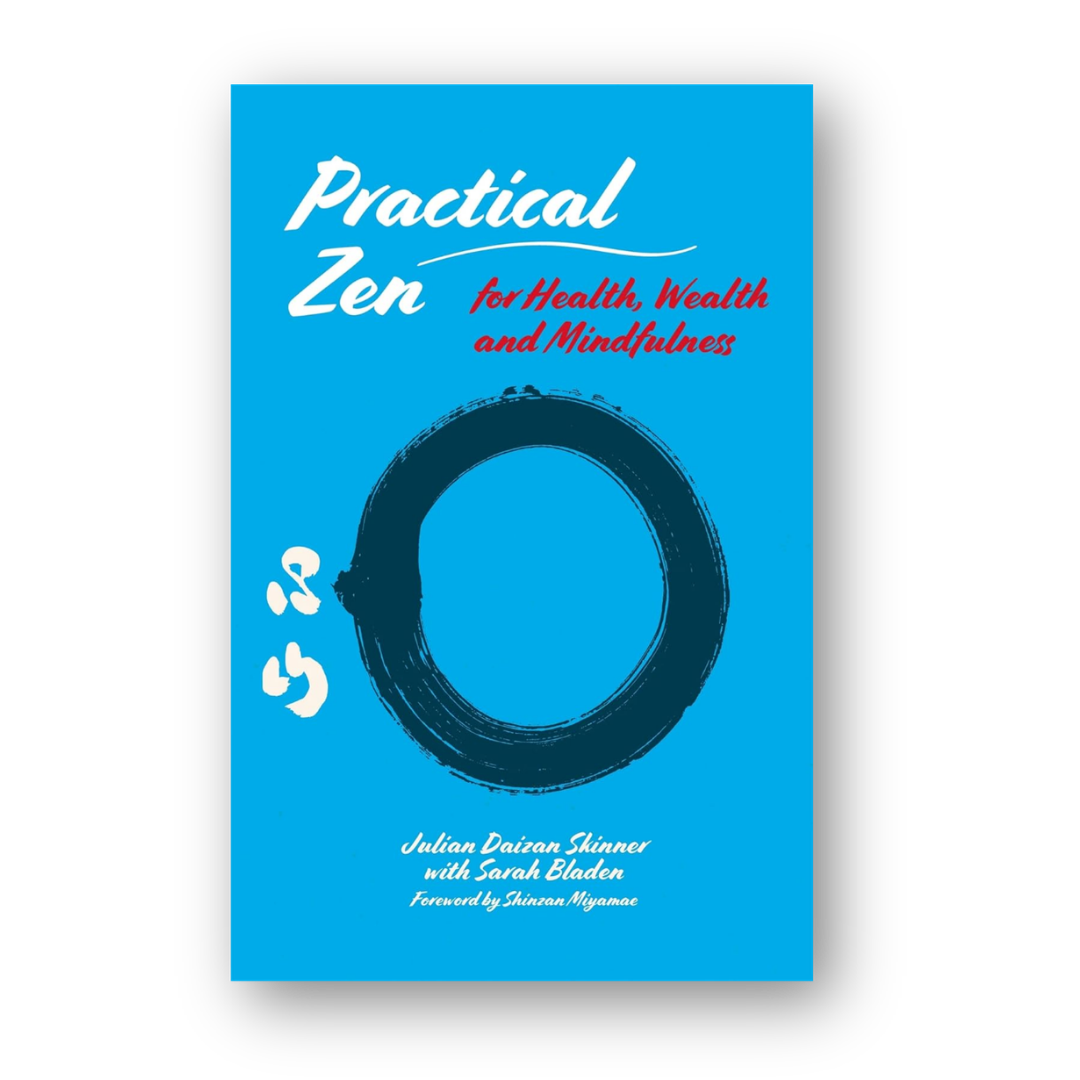
If this blog opened up a new avenue for you—one where you can move through life with more awareness and compassion—here are a few book recommendations to help you continue that journey.

James Clear
Small habits and science-backed strategies that show how consistent changes can lead to powerful life transformations.
Sponsored
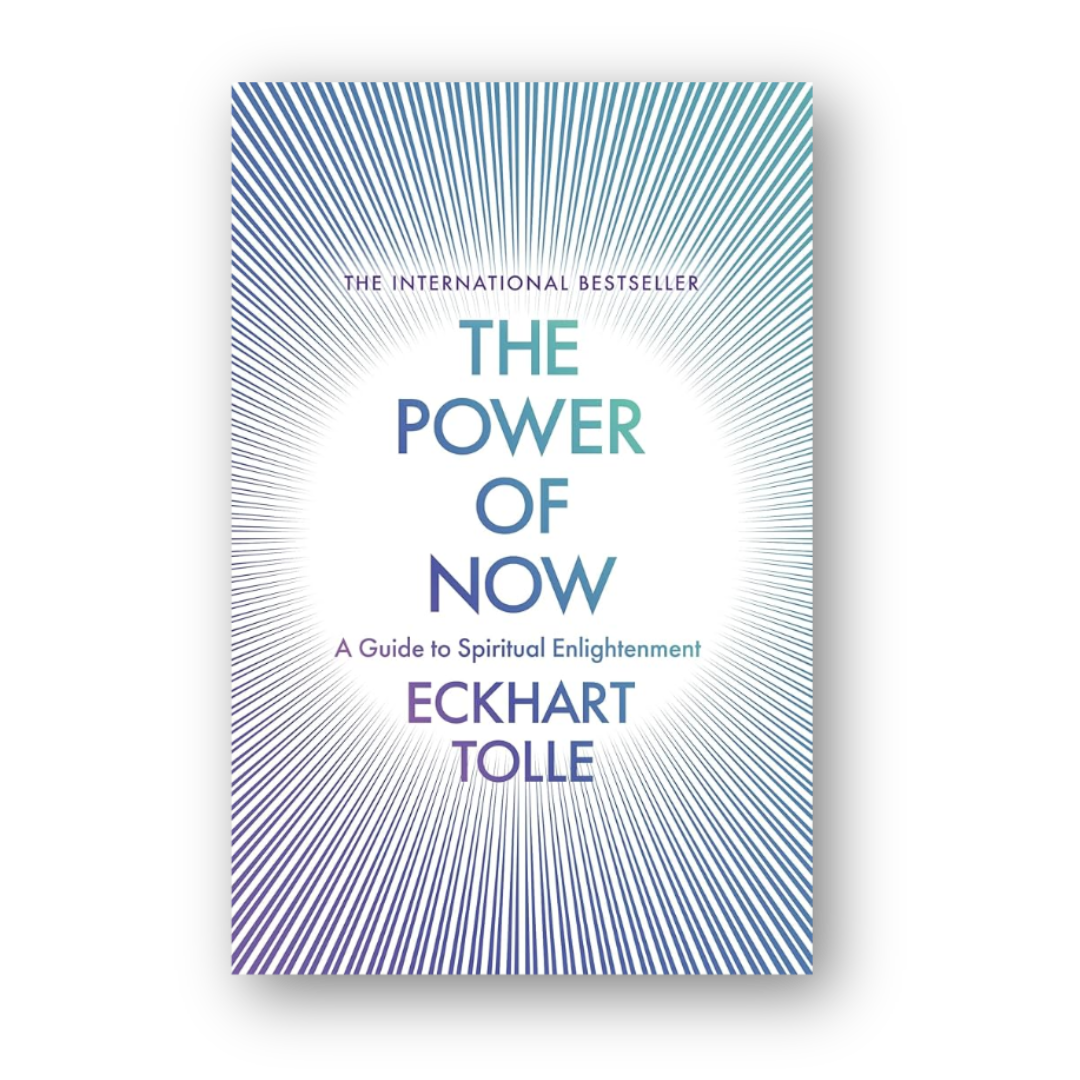
Eckhart Tolle
A powerful introduction to living in the present moment and creating space from constant thinking.
Sponsored
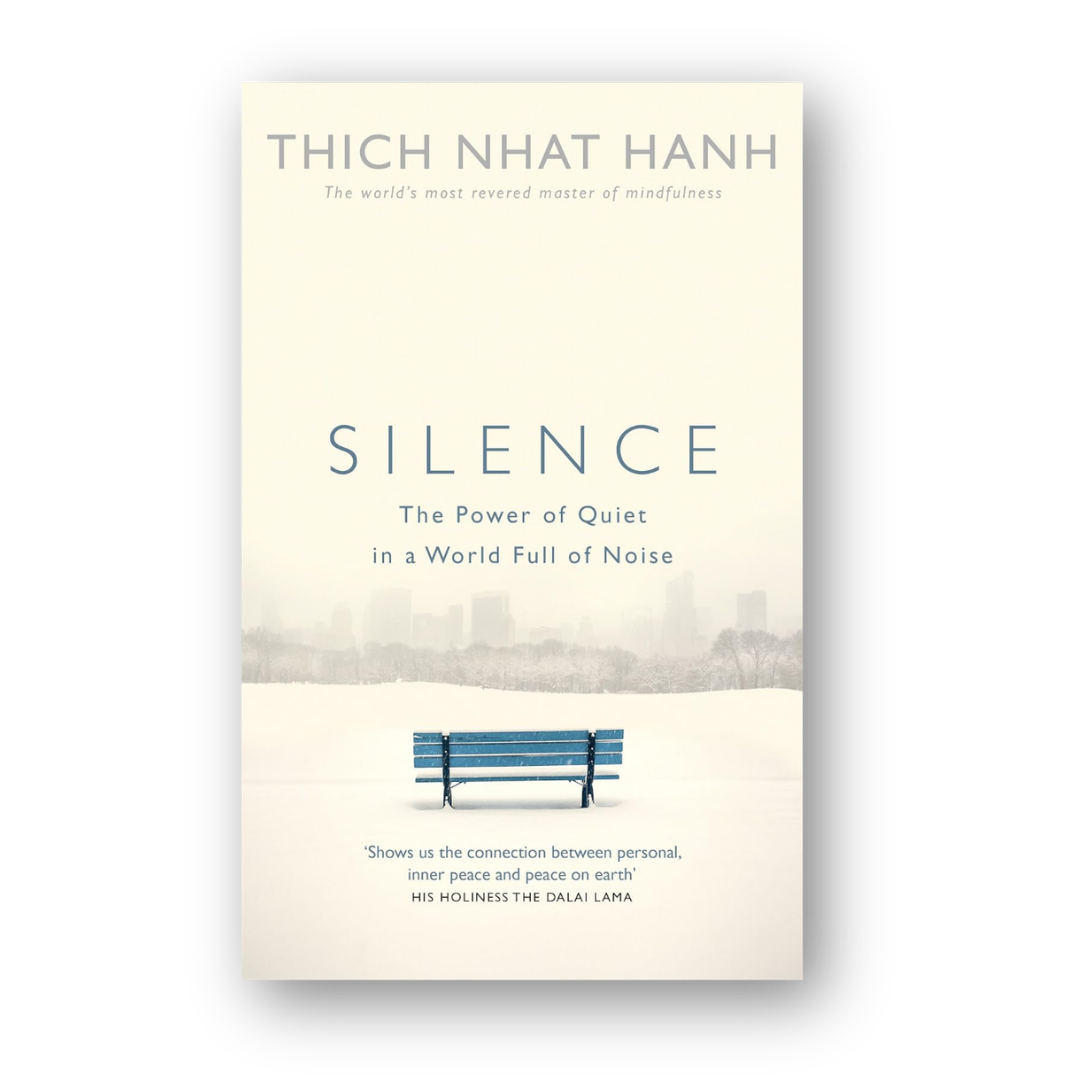
Thich Nhat Hanh
A gentle guide to finding calm in a noisy world by reconnecting with stillness, presence, and mindful awareness.
Sponsored
If this helped you understand meditation in a clearer, simpler way, the next step isn’t just learning more — it’s experiencing it for yourself. Understanding something intellectually is one thing, but actually feeling the shift in your mind, your body, and your reactions is where real change begins. You don’t need to have it all figured out, and you don’t need to be “good” at meditation. You just need a place to start, and the willingness to come back to yourself.
There’s no pressure to do everything or rush the process — just choose the path that feels like the right next step for you. So wherever you are right now, here are a few ways you can go deeper.
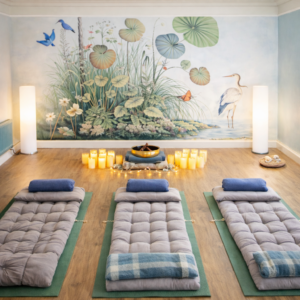
If you’re ready to build a consistent practice and feel more calm, focused, and in control of your mind. Explore meditation classes & guided sessions.
👉 Start Your Meditation Practice

If you’re feeling overwhelmed, emotionally heavy, or disconnected and need something more restorative and energetic. Experience Reiki & nervous system reset sessions
👉 Book a Reiki Session

If your mind feels full and you need a way to process your thoughts, emotions, and patterns more clearly. Discover guided journaling tools & prompts
👉 Explore Journaling Tools
Explore the foundations of meditation by clicking the images below. Learn different techniques, build a consistent practice, and find a style that works for your mind, your energy, and your daily life.
Not sure where to go next? Start by exploring the topics below.
If this resonated with you, I’d love to hear what landed, what stood out to you most? And what did you like learning about?
Please share your thoughts it below.
Stay connected with meditation classes, webinars, wellbeing resources, and upcoming events.
Coming Soon!
Unfortunately, due to the unexpected closure of The Nook Yoga Studio, Reiki sessions at this location are no longer available. I’m currently arranging a new treatment space in the Tewkesbury area and will share details as soon as everything is confirmed.
Thank you for your patience and continued support during this unexpected change.
20 minute call to find the best support for you and your wellbeing.