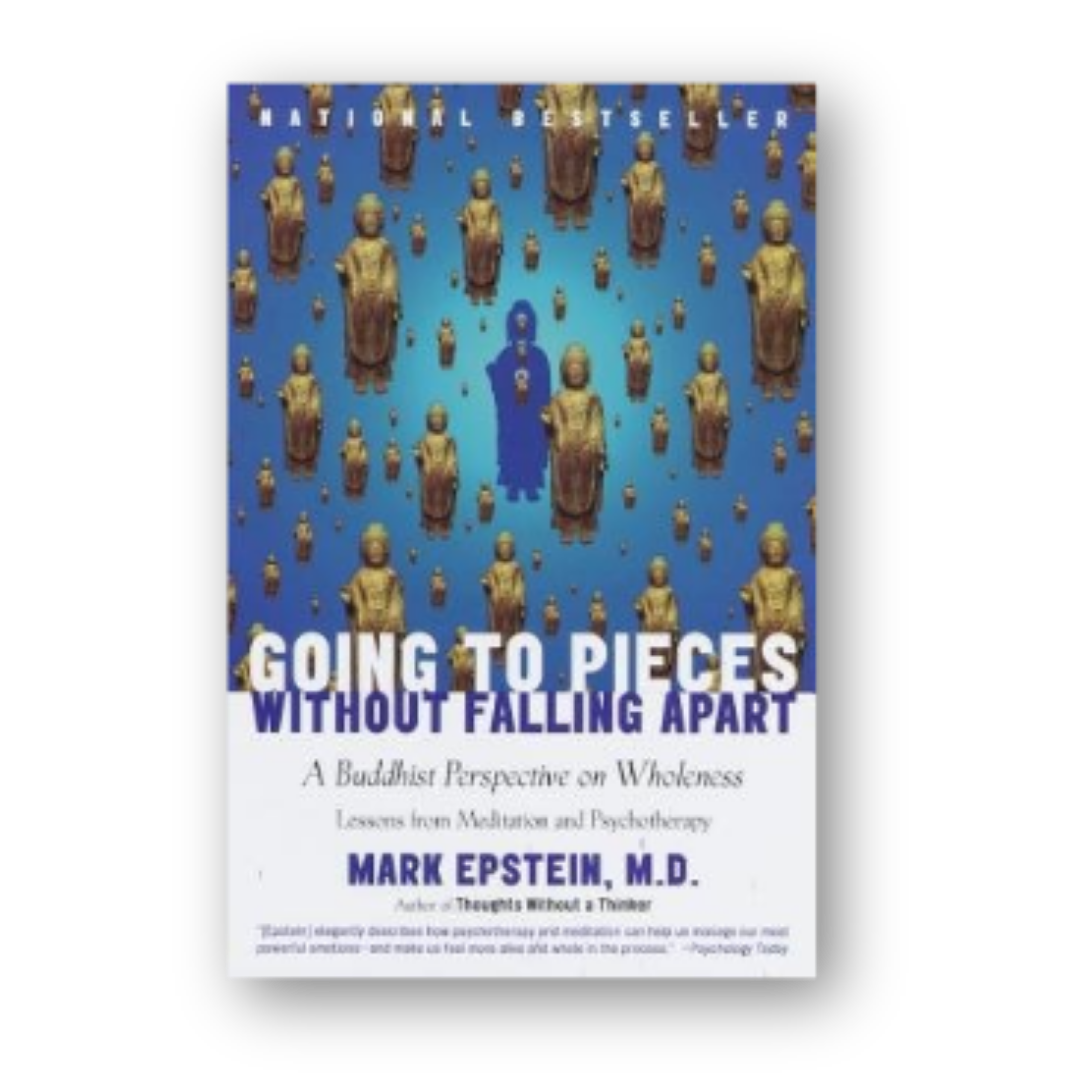
Going to Pieces Without Falling Apart
Mark Epstein
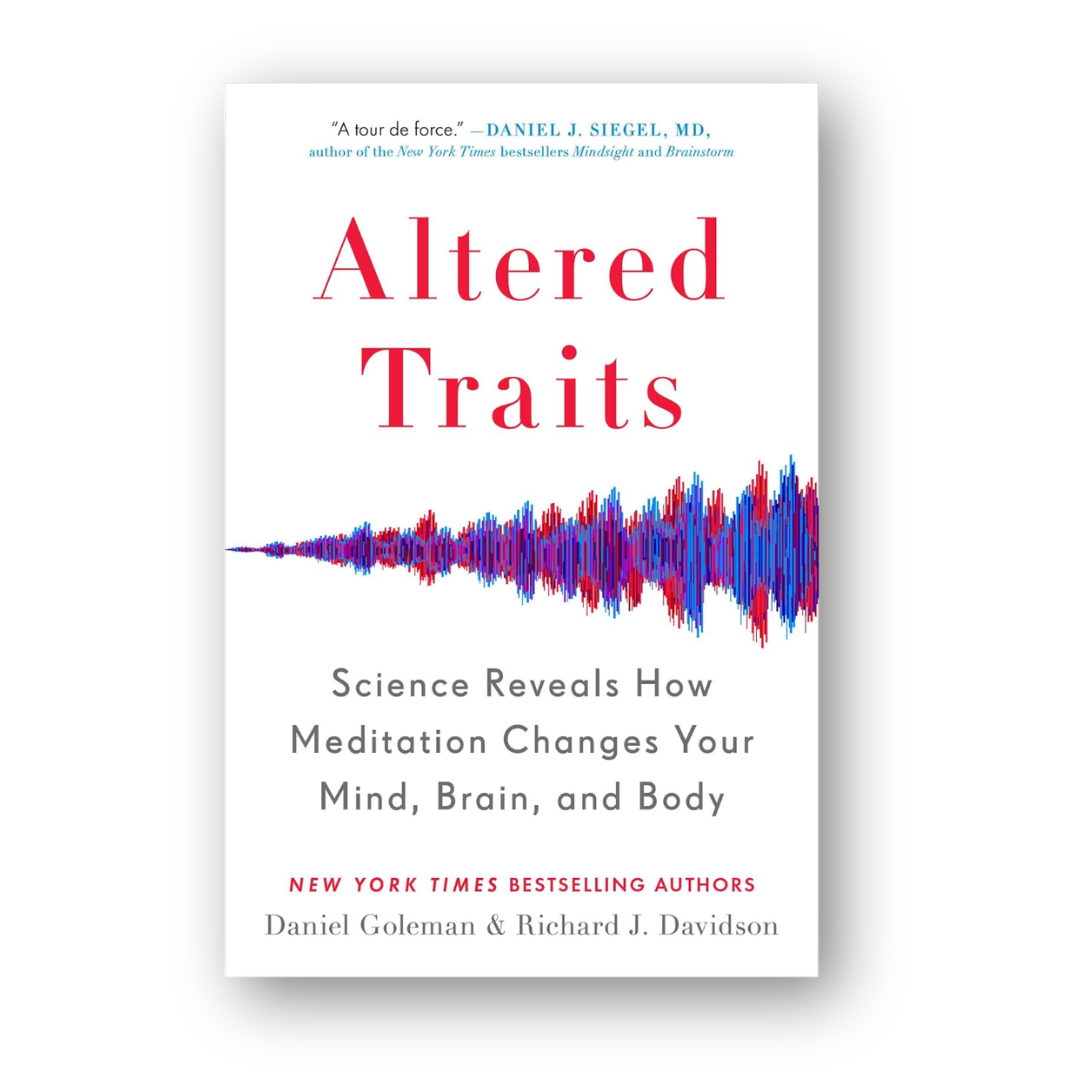
Altered Traits
Daniel Goleman & Richard J. Davidson

Why Zebras Don’t Get Ulcers
Robert Sapolsky
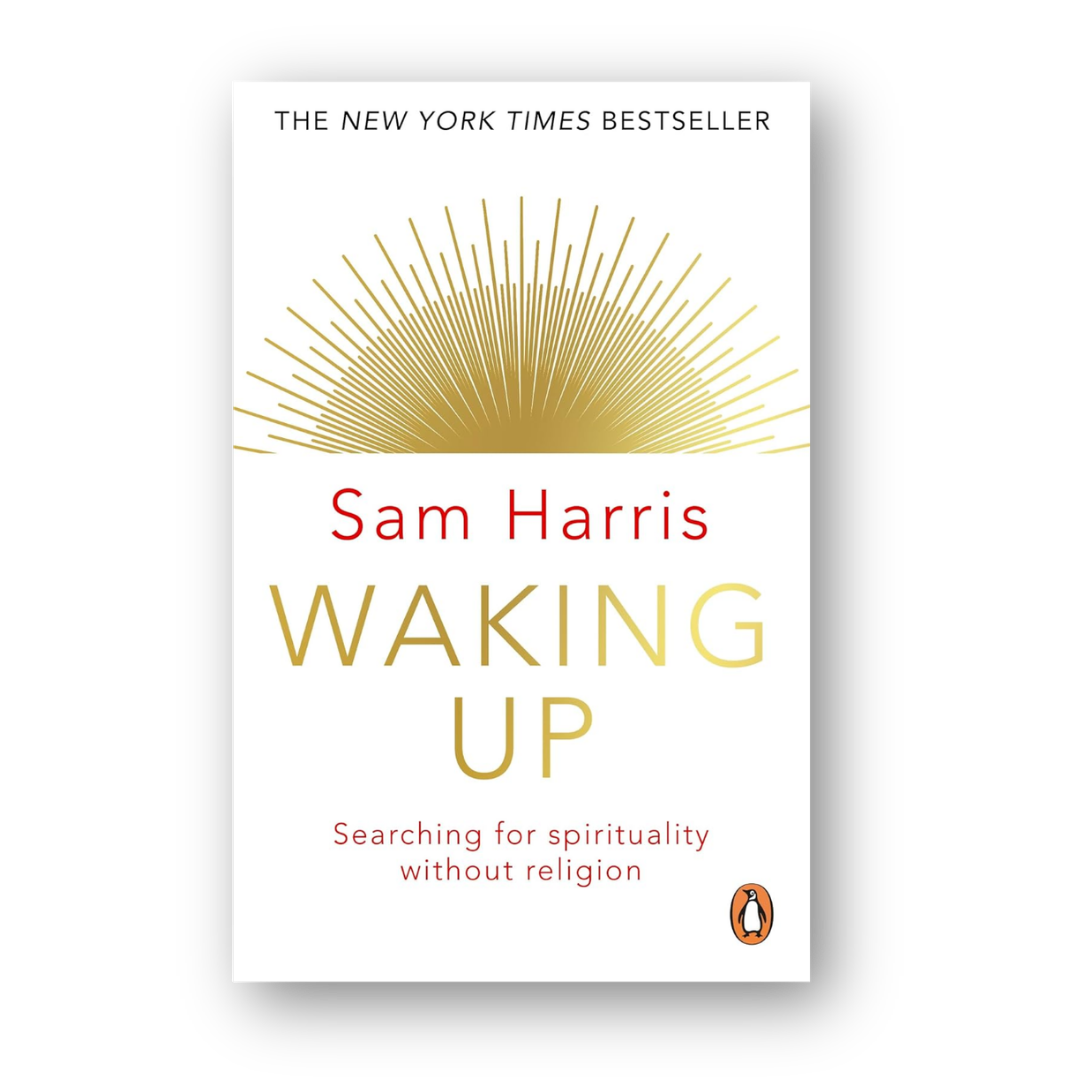
Waking Up
Sam Harris
Connect with the true essence of meditation — awareness, presence, and understanding your mind. Discover how simple practices can help you observe your thoughts, reduce overthinking, and create a sense of calm in everyday life.
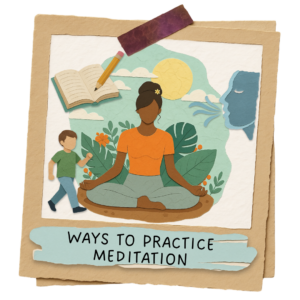
Explore the foundations of meditation by clicking the images below. Learn different techniques, build a consistent practice, and find a style that works for your mind, your energy, and your daily life.
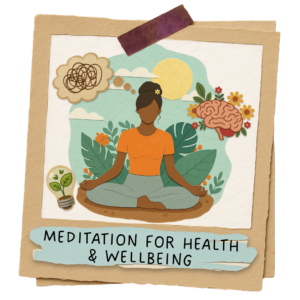
Meditation can look different every day — sometimes it’s stillness, sometimes it’s movement, sometimes it’s simply noticing what’s already there. There are many ways to practice, each offering something slightly different. Over time, you begin to find what feels natural, creating a rhythm that fits you and supports you in a way that’s easy to return to.
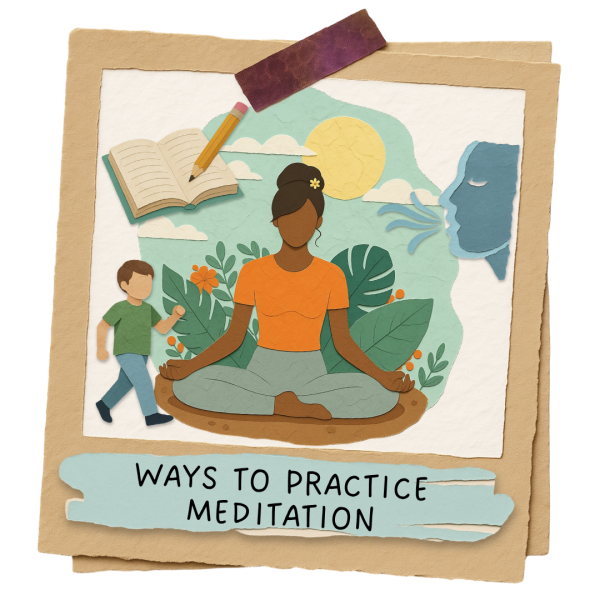
Meditation is often presented as one simple thing, “sit still, clear your mind, and focus“. For a lot of people, that’s exactly where it falls apart, that moment you try, your mind gets louder, your body feels restless, and instead of calm you feel frustrated. It can feel like you’re doing it wrong, or that meditation just isn’t for you, that reaction isn’t a failure, it’s valuable information and awareness something needs adjusting.
Meditation was never meant to be one single method. Across traditions like Buddhism and Hinduism and later adapted into modern approaches like Mindfulness-Based Stress Reduction—it developed into different practices designed for different minds, bodies, and emotional states.
The frustration most people feel isn’t because meditation doesn’t work. It’s because they’ve been given one version of it—and told it should work for everyone. There isn’t a “best” meditation method only a better fit for where you are right now.
Each style exists for a reason. Some quiet the mind. Some ground the body. Others work with emotion, energy, or attention. The goal isn’t to force stillness—it’s to find a way in that actually works for you.
You don’t need to commit to one method forever. Start with what feels easiest to return to, and let it evolve over time. The one size fits all approach to meditation is why we will cover eight different methods in this blog.
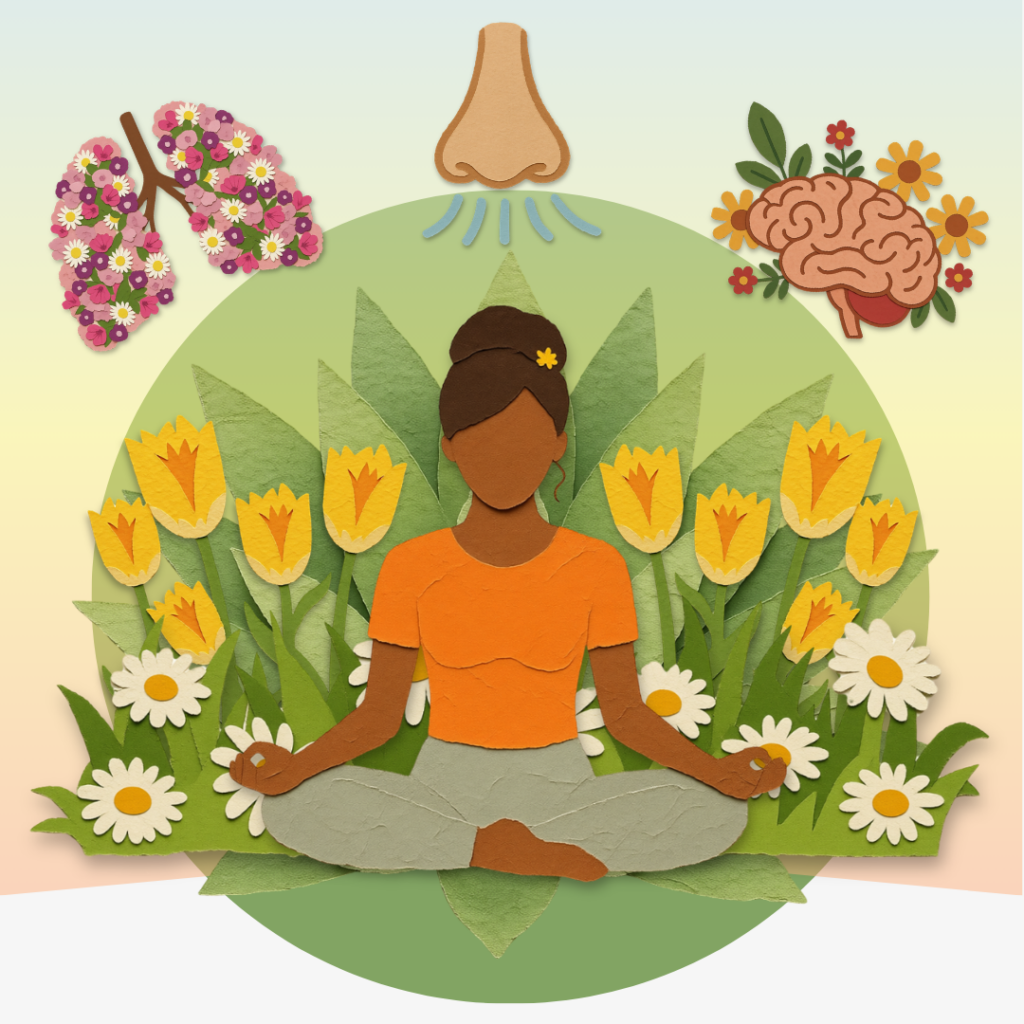
Breath-based meditation uses your breathing as a steady anchor for your attention. This approach has roots in ancient practices, particularly within Buddhism and early yogic traditions, where awareness of the breath was used to train focus and deepen self-awareness.
You are not trying to stop your thoughts or force yourself into calm; you are simply noticing the inhale and exhale, then gently returning whenever your mind wanders. At first, it may feel busy, noisy, or even frustrating, but that does not mean it is not working. The breath is closely connected to the nervous system, so bringing awareness to it can help the body settle, soften stress responses, and create a little more space between you and your thoughts.
When your thoughts are jumping from one thing to the next, focusing on the breath gives you something simple and steady to return to. It doesn’t stop the thoughts—it gives you a place to come back to when they wander. This method is helpful when your mind feels busy, when you feel anxious or overwhelmed, first thing in the morning, before sleep, or anytime you need a simple reset.
You might notice yourself trying to breathe in a certain way or expecting your mind to go quiet. That’s completely normal. The practice isn’t about perfect breathing or emptying your thoughts — it’s about noticing when your mind wanders and gently bringing it back. That return is the practice.
If you’d rather be guided through it, you can try this simple follow-the-breath meditation → Breath Meditation
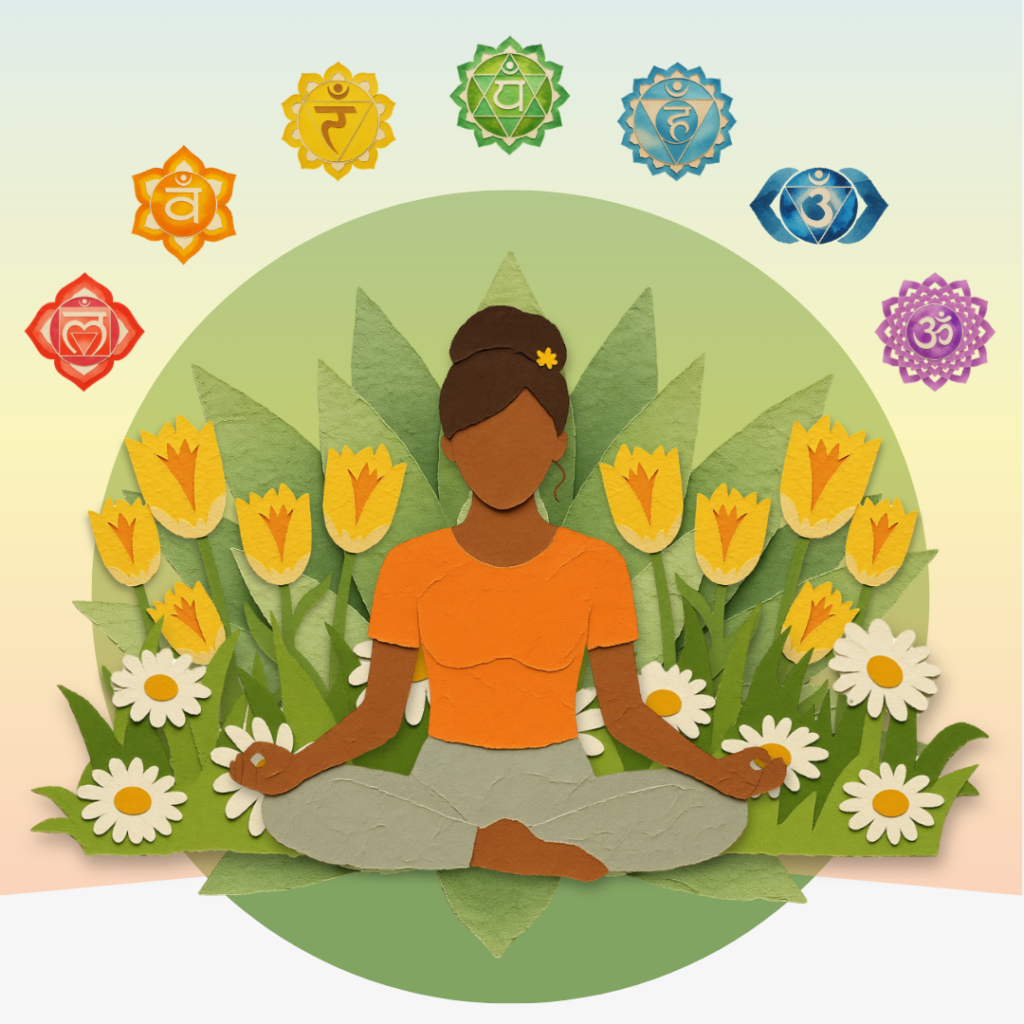
Body-based meditation shifts your focus out of your thoughts and into physical sensation. This approach is commonly known as a “body scan” and has roots in practices within Buddhism and modern mindfulness approaches like Mindfulness-Based Stress Reduction, where awareness of the body is used to anchor attention in the present moment. Instead of trying to think your way into calm, you feel your way into it—by noticing areas of tension, softness, warmth, or discomfort in the body. It can feel surprisingly emotional at times, especially if you’ve been holding stress in the body without realising. Over time, it helps you feel more grounded, more connected, and less controlled by what’s going on in your head.
If you feel out of your head or completely stuck in it, this brings you back into your body. It helps you notice physical sensations, release tension, and feel more grounded and present. This method is helpful when you feel overwhelmed, disconnected, emotionally heavy, or stuck in your head, as well as before sleep or when your body feels tense or restless. You might notice your body feels heavier than expected, certain areas feel tense or uncomfortable, or small waves of release or relaxation begin to happen as you move your attention. That’s all part of the process.
If you’d rather be guided through it, try this simple meditation → Body Scan Meditation
Movement meditation brings awareness into motion, using the body as the focus instead of the breath or thoughts. This approach has roots in practices like walking meditation within Buddhism and mindful movement traditions such as Yoga, Qigong, and Tai Ch, where awareness is carried through the body rather than held in stillness. Rather than sitting still, you stay present while walking, stretching, or moving slowly and intentionally. The goal isn’t to exercise or perform—it’s to feel each movement as it happens. This can look different for everyone. Some people connect best through walking meditation, while others prefer yoga, Qi Gong, Tai Chi, stretching, mindful dancing, or slow free movement. The method matters less than the awareness you bring into it. This can feel more natural if you’re restless, distracted, or resistant to stillness. Over time, it helps settle the mind by giving your attention something physical to follow, creating calm through rhythm and repetition instead of silence.
Instead of fighting the urge to move, this method uses it. Walking, stretching, yoga, Qi Gong, Tai Chi, or any kind of slow movement becomes the focus, helping your mind settle naturally as your body moves. This method is helpful when you feel restless, fidgety, mentally overwhelmed, resistant to sitting still, or when you want to combine mindfulness with daily movement like walking. You might notice your mind still feels busy at first, your body wants to speed up, or small moments of rhythm and calm begin to build as you stay with the movement. That’s all part of the practice.
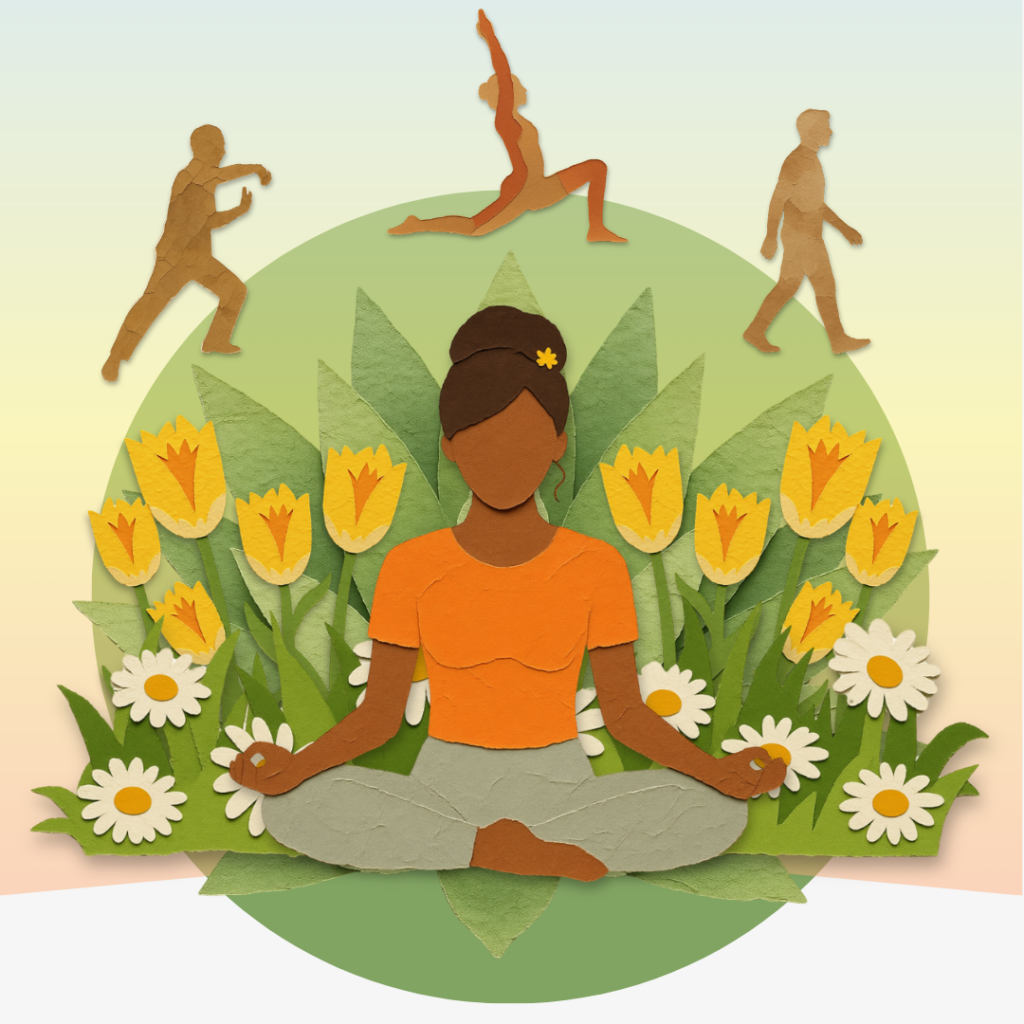
If you’d rather be guided through it, try this simple meditation → Movement Meditation
Visualisation meditation uses mental imagery to focus your attention and influence how you feel. This approach has roots in practices found within Buddhism, yogic traditions, and modern guided imagery techniques, where the mind is directed through intentional inner experiences. Instead of observing the breath or body, you create or follow a scene in your mind—like a peaceful place, a light moving through the body, or a future version of yourself. The mind responds strongly to imagery, so this method can shift your emotional state more quickly than some other techniques. It can feel engaging, creative, and even comforting, especially if you struggle with silence or find your thoughts pulling you in too many directions.
If your mind naturally creates stories, this method works with it instead of shutting it down. Guided imagery or mental scenes give your attention something engaging and calming to follow. This method is helpful when you feel mentally scattered, emotionally low, disconnected, or when you want to create a sense of calm, confidence, or direction. You might notice your mind drifting off into other thoughts, the image feeling unclear at first, or moments where the scene becomes more vivid and immersive as you stay with it. That’s all part of the process.
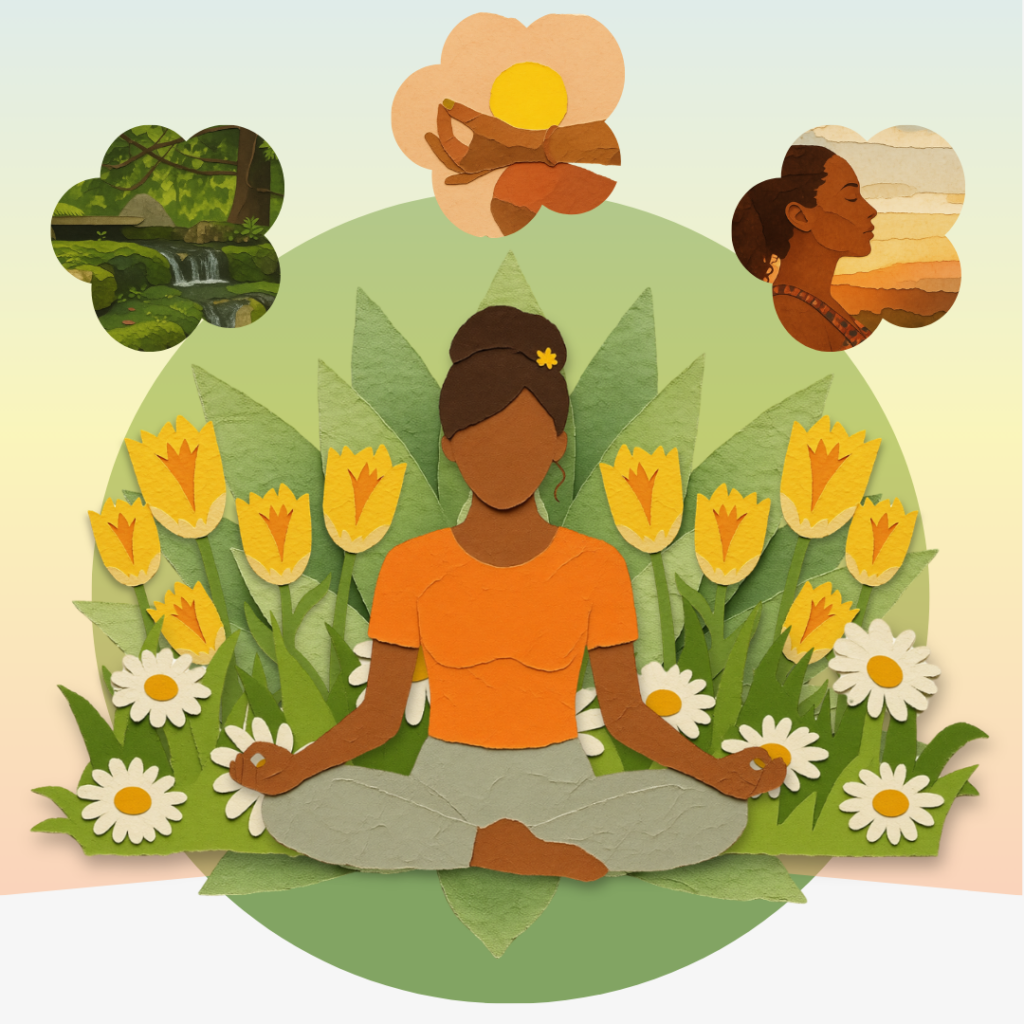
If you’d rather be guided through it, try this simple meditation → Movement Meditation
Claim your FREE eBook and embark on a path of discovery into not only how meditation works but how to make it a habit! To access the eBook for free, simply enter your name and e-mail.
Mantra meditation uses a repeated word, phrase, or sound to anchor your attention. This approach has roots in traditions within Hinduism and Buddhism, where sound and repetition were used to focus the mind and deepen awareness. Instead of following the breath or body, you give your mind something simple and rhythmic to return to—like “calm,” “I am safe,” or a traditional mantra. The repetition helps quiet mental chatter by replacing it with something steady. It can feel grounding, hypnotic, and surprisingly calming over time, especially if your thoughts tend to spiral or loop.
When your mind loops the same thoughts over and over, repeating a word or phrase gives it a new rhythm. It creates a mental anchor that gradually replaces the noise. This method is helpful when your mind is busy, repetitive, or overactive, when you struggle to focus, or when silence feels uncomfortable or distracting. You might notice the words feel mechanical at first, your mind drifting back to old thoughts, or a steady rhythm beginning to take over as the repetition settles in. That’s all part of the practice.
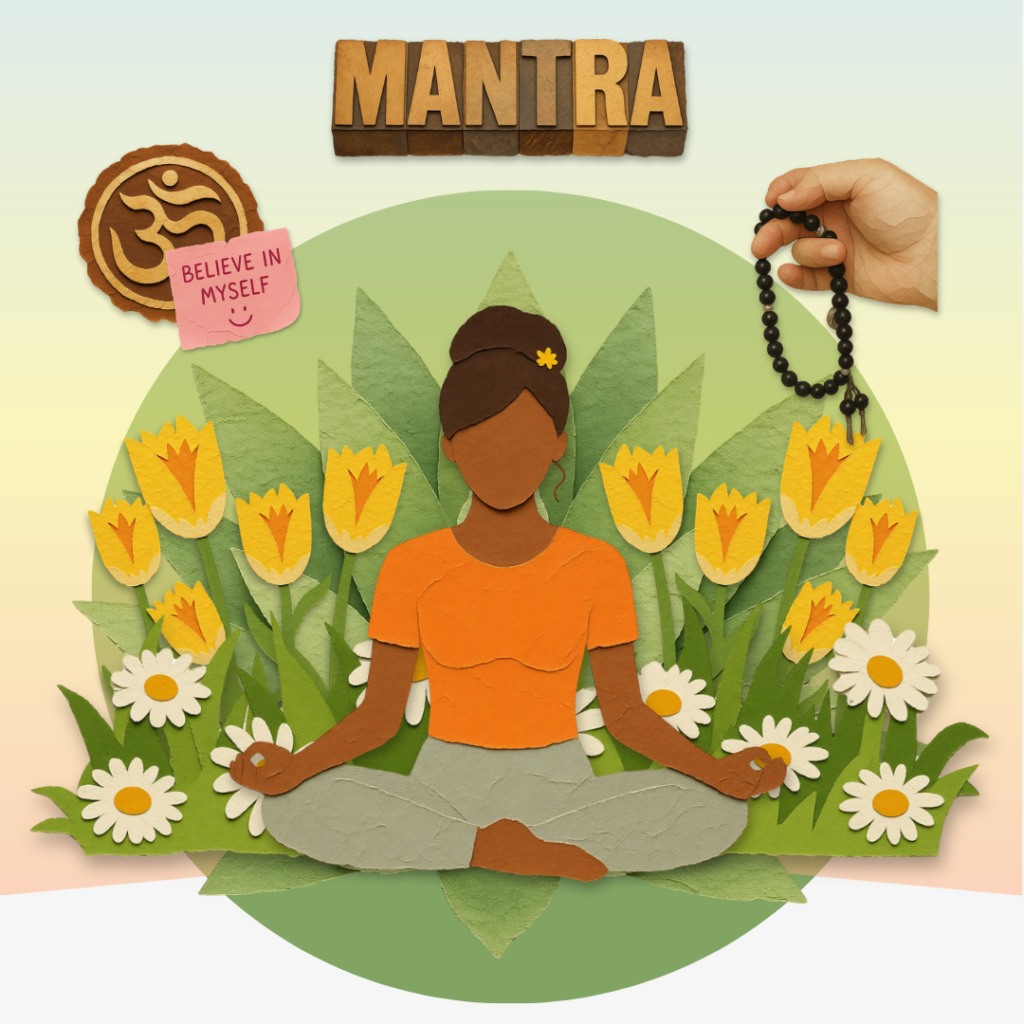
If you’d rather be guided through it, try this simple meditation → Mantra Meditation
Sound meditation focuses your attention on what you can hear—whether that’s music, nature sounds, a singing bowl, or even the ambient noise around you. This approach has roots in practices within Buddhism and sound-based traditions like Nada Yoga, where listening is used as a pathway into presence. Instead of trying to block sound out, you use it as your point of focus. This can feel easier than silence, especially if your mind is busy, because there’s always something to return to. Over time, it helps you become less reactive to distractions and more present with whatever is happening around you.
When your mind loops the same thoughts over and over, repeating a word or phrase gives it a new rhythm. It creates a mental anchor that gradually replaces the noise. This method is helpful when your mind is busy, repetitive, or overactive, when you struggle to focus, or when silence feels uncomfortable or distracting. You might notice the words feel mechanical at first, your mind drifting back to old thoughts, or a steady rhythm beginning to take over as the repetition settles in. That’s all part of the practice.
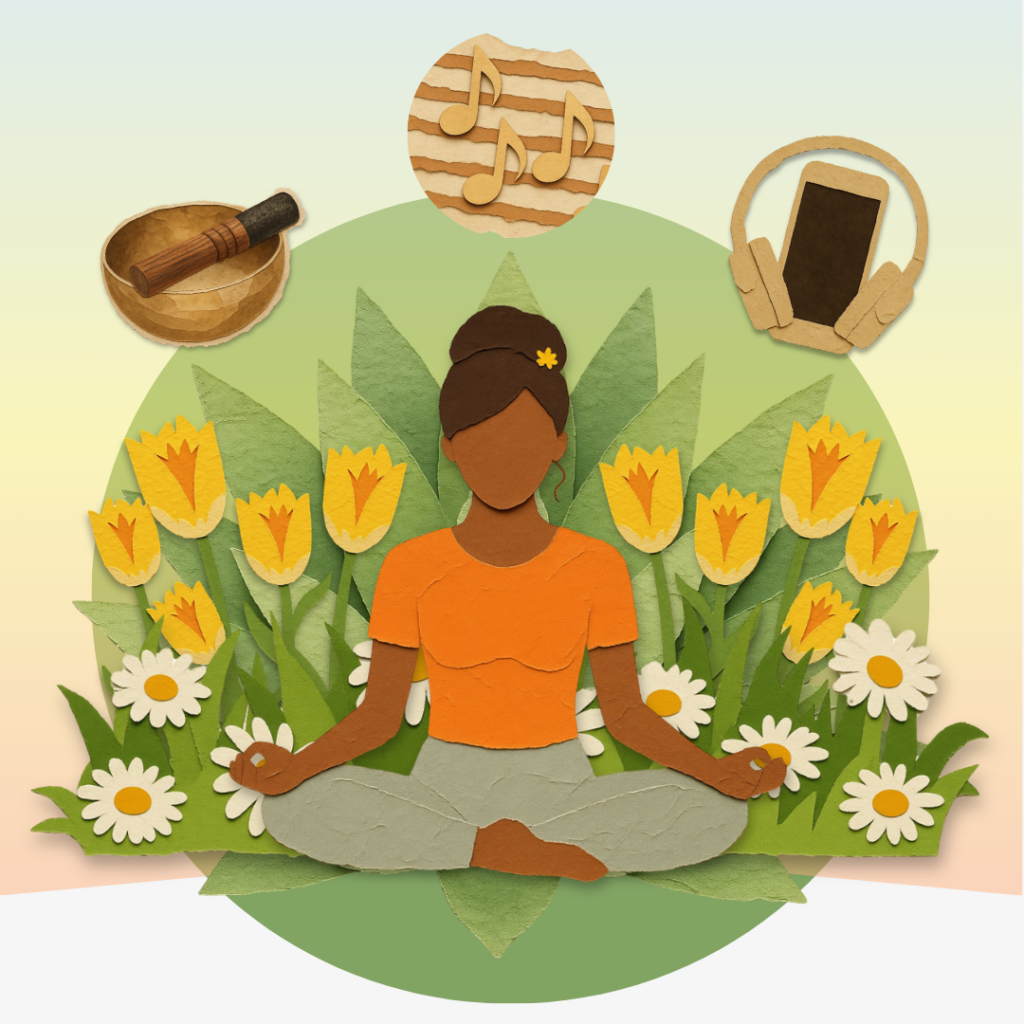
If you’d rather be guided through it, try this simple meditation → Movement Meditation
You’ll receive exclusive updates on all products, notifications on release dates and be the first to have front row seats to all events!
Loving-kindness meditation (often called Metta) focuses on generating feelings of warmth, compassion, and care—starting with yourself and gradually extending to others. This practice comes from Buddhism, where it was used to cultivate compassion, emotional balance, and connection. Instead of observing or controlling your thoughts, you repeat gentle phrases like “may I be safe” or “may you be happy.” This can feel awkward or even forced at first, especially if you’re not used to speaking kindly to yourself. But over time, it helps shift emotional patterns, reduce self-criticism, and create a deeper sense of connection to yourself and others.
This practice gently shifts how you speak to yourself. Instead of analysing or fixing, it builds warmth, compassion, and emotional safety from the inside out. This method is helpful when you feel emotionally heavy, self-critical, disconnected, hurt, or when you want to build compassion and soften your inner dialogue. You might notice the words feel uncomfortable or forced at first, resistance to directing kindness toward yourself or others, or small moments where the phrases begin to feel genuine and warm. That’s all part of the process.
If you’d rather be guided through it, try this simple meditation → Movement Meditation
Mindfulness meditation is the practice of observing your present-moment experience—thoughts, feelings, sensations—without trying to change or control it. This approach has roots in Buddhism and was later adapted into modern practices like Mindfulness-Based Stress Reduction, where awareness itself becomes the focus. Instead of focusing on one anchor like the breath or a mantra, you allow whatever arises to be noticed and then let it pass. You’re not stopping thoughts; you’re stepping back from them. At first, this can feel like your mind is even louder than usual, but what’s actually happening is awareness increasing. Over time, it creates space between you and your reactions, helping you feel less caught up in overthinking and more steady in yourself.
This is about noticing thoughts, feelings, and sensations without getting caught up in them. Over time, it helps you respond more calmly instead of reacting automatically. This method is helpful when you feel stuck in your thoughts, emotionally reactive, disconnected from the present moment, or when you want to build awareness and self-understanding. You might notice your mind feels louder than expected, a tendency to judge or analyse what’s happening, or small moments where you feel more separate from your thoughts. That’s all part of the process.
If you’d rather be guided through it, try this simple meditation → Movement Meditation
The more I’ve explored different ways to meditate, the more I’ve realised there isn’t one right way—just different ways to meet yourself depending on what you need and how you think, feel and relate to yourself.
This is always where I come back to. The breath showed me how quickly my mind drifts and how easy it is to get caught up in thoughts without realising. Over time, it’s become something I rely on—not just in meditation, but in everyday moments. It’s simple, but that’s why it works. Coming back to the breath reminds me I can reset, even when everything feels a bit too much.
I’ve found visualisation works really well when I've just come from a really beautiful nature walk or somewhere vibrant and creative. Instead of trying to quiet my mind, I give it something to focus on. There’s something that feels more natural about creating a peaceful scene or following an image that helps me settle without forcing it.
Movement Meditation — This one made me realise how active and critical my mind can be, even when I’m just trying to be present. But it also helped me build a different relationship with my body—paying attention to how I move, what feels natural, and what doesn’t. Instead of trying to switch off, I’ve learned to stay with the movement and feel more comfortable being in my body.
Mindfulness has helped me see what is actually happening inside me and around me, instead of being completely swept up in everything. It’s shown me how quickly thoughts, feelings, and reactions can appear — and how powerful it is to pause before following them. I don’t always get it right, but it has helped me become more aware of my patterns and more able to respond instead of instantly reacting.
If you’d like to explore the story behind the work → About the Creator
If this blog opened up a new avenue for you—one where you can move through life with more awareness and compassion—here are a few book recommendations to help you continue that journey.
Mark Epstein
A grounded exploration of how meditation and psychology help you understand yourself without needing to “fix” who you are.
Sponsored
Robert Sapolsky
A clear and engaging breakdown of how stress affects the body and why practices like meditation can help regulate it.
Sponsored
Sam Harris
A practical guide to understanding consciousness and self-transcendence through a modern, science-led lens.
Sponsored
If this helped you understand meditation in a clearer, simpler way, the next step isn’t just learning more — it’s experiencing it for yourself. Understanding something intellectually is one thing, but actually feeling the shift in your mind, your body, and your reactions is where real change begins. You don’t need to have it all figured out, and you don’t need to be “good” at meditation. You just need a place to start, and the willingness to come back to yourself.
There’s no pressure to do everything or rush the process — just choose the path that feels like the right next step for you. So wherever you are right now, here are a few ways you can go deeper.
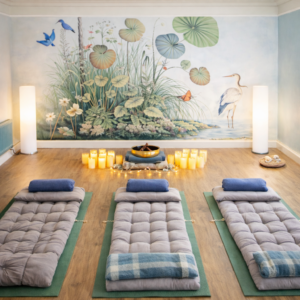
If you’re ready to build a consistent practice and feel more calm, focused, and in control of your mind. Explore meditation classes & guided sessions.
👉 Start Your Meditation Practice

If you’re feeling overwhelmed, emotionally heavy, or disconnected and need something more restorative and energetic. Experience Reiki & nervous system reset sessions
👉 Book a Reiki Session
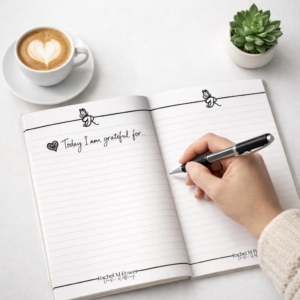
If your mind feels full and you need a way to process your thoughts, emotions, and patterns more clearly. Discover guided journaling tools & prompts
👉 Explore Journaling Tools
Explore the foundations of meditation by clicking the images below. Learn different techniques, build a consistent practice, and find a style that works for your mind, your energy, and your daily life.
Not sure where to go next? Start by exploring the topics below.
If this resonated with you, I’d love to hear what landed, what stood out to you most? And what did you like learning about?
Please share your thoughts it below.
Stay connected with meditation classes, webinars, wellbeing resources, and upcoming events.
Coming Soon!
Unfortunately, due to the unexpected closure of The Nook Yoga Studio, Reiki sessions at this location are no longer available. I’m currently arranging a new treatment space in the Tewkesbury area and will share details as soon as everything is confirmed.
Thank you for your patience and continued support during this unexpected change.
20 minute call to find the best support for you and your wellbeing.