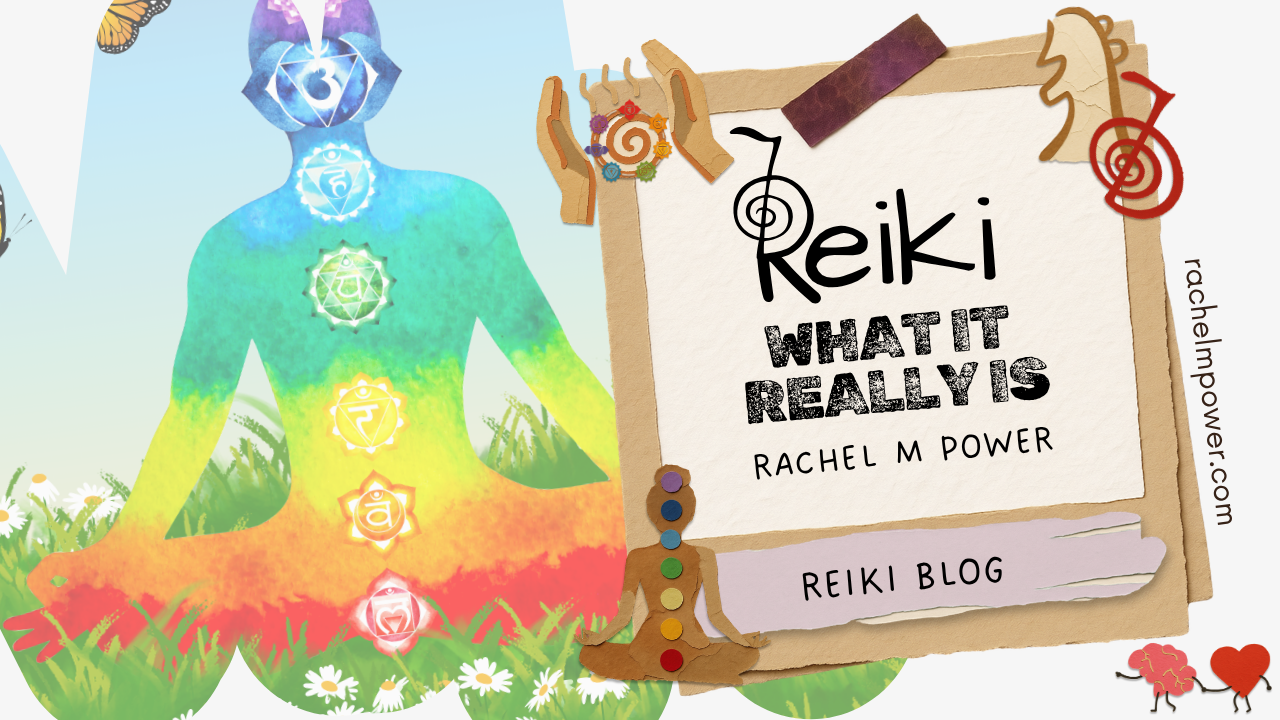
Connect with the gentle practice of Reiki — exploring energy, balance, and the connection between mind, body, and emotional wellbeing. Discover what Reiki is, how it works, and the different ways it can support relaxation, self-awareness, and everyday wellbeing.
Explore the foundations of Reiki by clicking the images below. Learn about its origins, how Reiki is practised, what happens during a session, and the many ways this gentle wellbeing practice can support people, animals, spaces, and everyday life.
Reiki is a gentle, non-invasive wellbeing practice that encourages deep relaxation, calm, and a greater sense of connection with yourself. More than simply lying on a treatment couch, Reiki is a complete system of practice with its own history, principles, traditions, and ways of understanding energy and wellbeing.
Reiki is often described as a Japanese energy healing practice, but there is much more to it than what happens during a treatment. Reiki has its own history, philosophy and system of practice, with traditions that include hands-on treatment, self-practice, meditation and principles for everyday life.
To understand what Reiki really is, we need to explore the meaning behind its name, where the practice came from, how Reiki is experienced today, and some of the most common questions people have before trying it for themselves.
Discover Reiki as a holistic system of wellbeing. Explore what Reiki is, the philosophy and principles at the heart of the practice.
Reiki is a Japanese system of energy practice centred around balance, awareness and the connection between body, mind, emotions and spirit. It can be experienced through treatment with a practitioner, practised on yourself, and explored as a wider path of personal and spiritual development.
During a Reiki treatment, a practitioner works with gentle hand positions placed on or just above the body, without pressure, massage or physical manipulation. The practice is based on an understanding of Ki—vital or life-force energy—and the idea that our wellbeing is connected across every part of who we are.
The wider system of Reiki brings together hands-on healing, self-treatment, meditation, breath practices and principles for everyday living. As someone progresses through Reiki training, they may also work with symbols, mantras and other traditional techniques that deepen their practice and understanding.
At its heart, Reiki invites us to pay attention to ourselves as a whole person. Our physical body, thoughts, emotions, experiences and sense of connection do not exist in neat little boxes—however convenient that would be. They influence one another, overlap and often communicate in ways we do not immediately recognise.
Reiki creates space to become more aware of those connections. For some, that begins with relaxation and rest. For others, it becomes a practice of self-reflection, healing, spiritual connection or personal growth.
At the heart of Reiki is a philosophy of living with greater awareness, presence and intention. The practice encourages us to notice how we respond to life—our worries, anger, relationships, responsibilities and the way we treat ourselves and others.
This philosophy is expressed through the Five Reiki Principles, known in Japanese as the Gokai. Rather than strict rules to follow perfectly, they are reflections to return to each day. They invite us to work with worry and anger, practise gratitude, approach our responsibilities with honesty and bring kindness into the way we meet ourselves and others.
The principles begin with a beautifully simple idea: just for today. That small phrase brings the practice into the present moment, its the invitation to simply notice how you are living and begin again with the day in front of you.
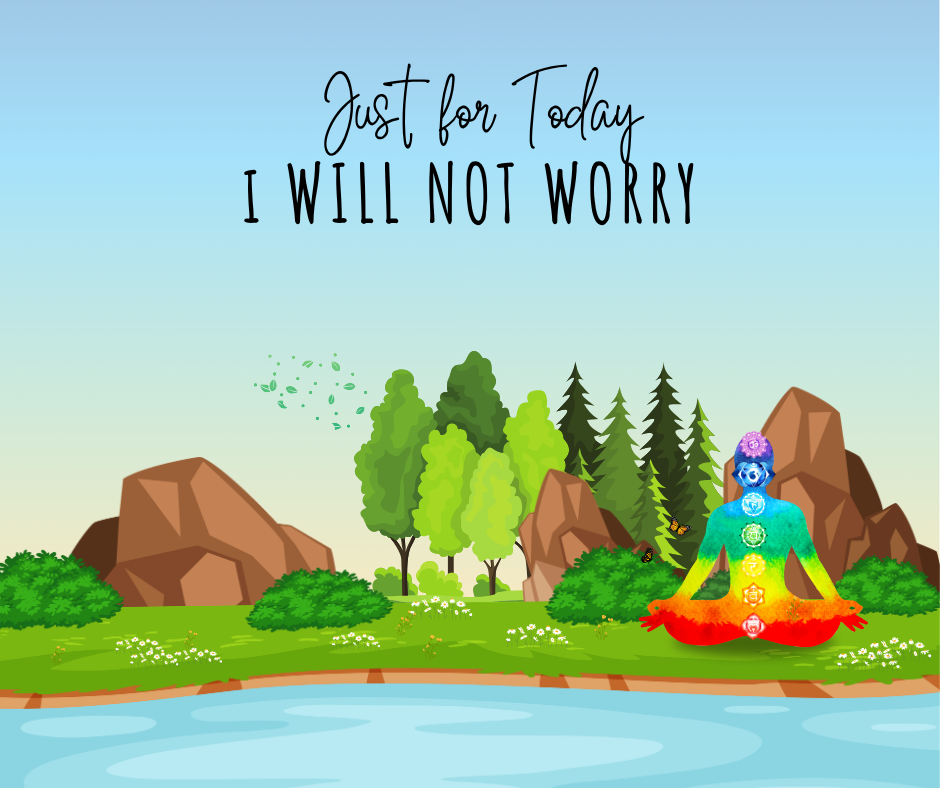
Worry pulls us away from the present and into a future we cannot control. This principle invites us to return to today—to what we can see, feel, and choose in this moment. Worry drains our energy and clouds the mind, while presence restores clarity and calm. Reiki encourages us to trust the flow of life and let go of what we cannot control.
Life will always hold uncertainty, but we find freedom when we choose to meet it with trust, breath, and presence.
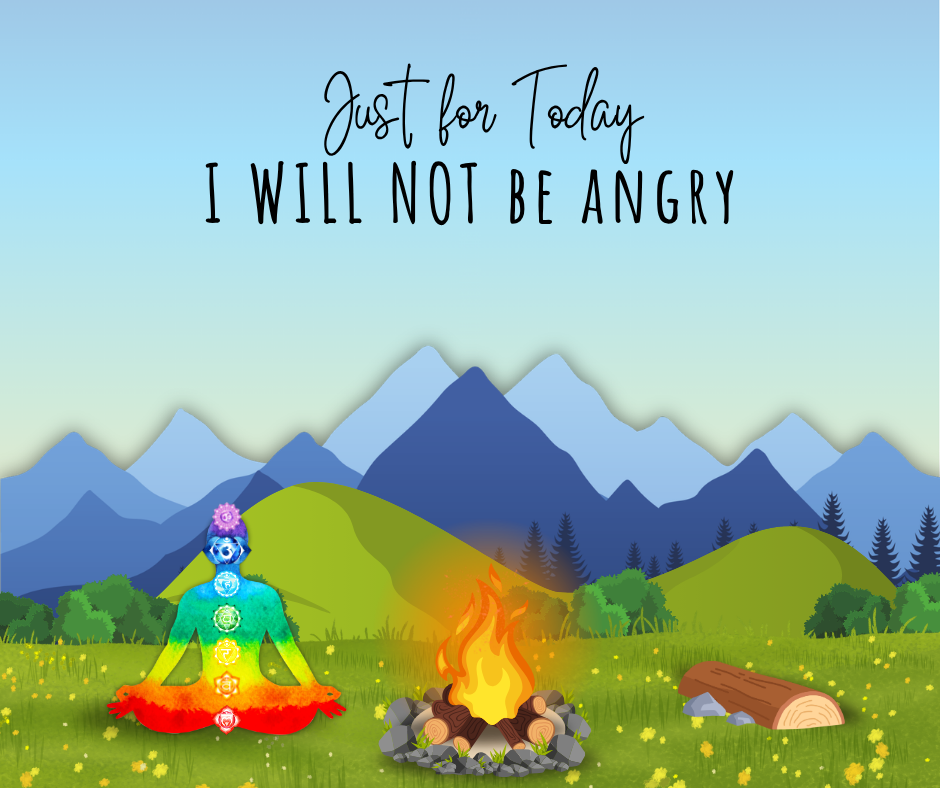
Anger is a fire—natural, but when left untended, it can burn within us. This principle reminds us that we do not have to be ruled by it. Anger often reveals unmet needs, pain, or misunderstanding. Reiki invites us to notice it, breathe with it, and allow it to move without harming ourselves or others.
In this way, anger becomes a teacher—not of destruction, but of awareness, patience, and the power to choose a more peaceful response.

Gratitude is at the heart of Reiki. This principle reminds us to notice what is already present in our lives. Gratitude can soften fear, support us through sadness, and bring us back into connection with the present moment. Even the simplest things—the breath, the sky, a kind word—become blessings when we truly pay attention.
Gratitude does not deny hardship; it allows us to notice beauty alongside it. In doing so, we create space for resilience, lightness, and joy.

This principle calls us to live with integrity. To work honestly is about more than our job; it is reflected in how we show up in everything we do. Reiki encourages truthfulness, effort, and authenticity, helping us live in greater alignment with who we are and what we value.
Each small act of sincerity builds trust and clarity. By living honestly today, we create lives rooted in self-respect, harmony, and meaningful connection.
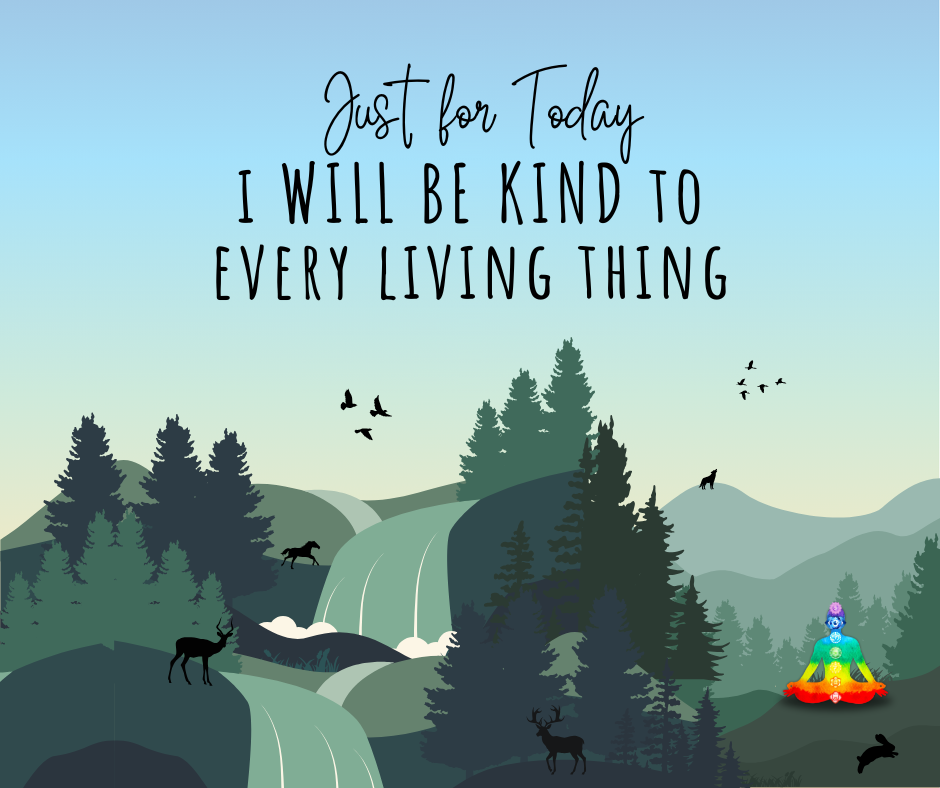
Kindness is one of the deepest expressions of Reiki. This principle reminds us of our connection with other living beings and invites us to respond to life with compassion and gentleness. Small acts—listening, smiling, forgiving, offering patience—can ripple outward in ways we may never see.
This kindness also extends inward, towards our own body, mind, emotions, and spirit. Through kindness, we practise connection, compassion, and the understanding that how we treat ourselves matters too.
 Reiki Meaning
The word Reiki comes from two Japanese kanji: Rei and Ki. Together, they are commonly translated as spiritual energy or universal life-force energy, although no single English translation fully captures the depth of the original Japanese term.
The meaning points towards a relationship between the wider spiritual or universal aspect of Rei and the vital energy of life represented by Ki. This understanding sits at the heart of Reiki and helps explain why the practice takes a holistic view of wellbeing, recognising the relationship between body, mind, emotions and spirit.
Different teachers and lineages may interpret the word slightly differently, reflecting both the complexity of translating Japanese concepts into English and the ways Reiki has developed across cultures.
Rei is often translated as spiritual, sacred or universal, and may also be associated with a higher wisdom or consciousness.
Within Reiki philosophy, Rei points towards something beyond the individual self: a wider connection with life, spiritual awareness or the sacred nature of existence. For some, this is understood through a deeply spiritual lens; for others, it may simply mean feeling connected to nature, humanity or something greater than themselves.
Reiki does not require a particular religion or belief system, allowing people to understand this aspect of the practice through their own experience and perspective.
Ki refers to vital energy—the energy associated with life, movement and vitality. It is a broad concept found within Japanese culture and philosophy and is not exclusive to the practice of Reiki.
Within Reiki philosophy, Ki is connected with the whole person and their physical, mental, emotional and spiritual wellbeing. These different aspects of our experience are understood as interconnected and continually influencing one another.
Ideas of vital energy also appear in other cultures and traditions. Japanese traditions speak of Ki, Chinese traditions of Qi, and Indian traditions of Prana. Although comparisons can help us understand the general idea of vital energy, these concepts come from distinct cultural and philosophical systems and should not be treated as identical.
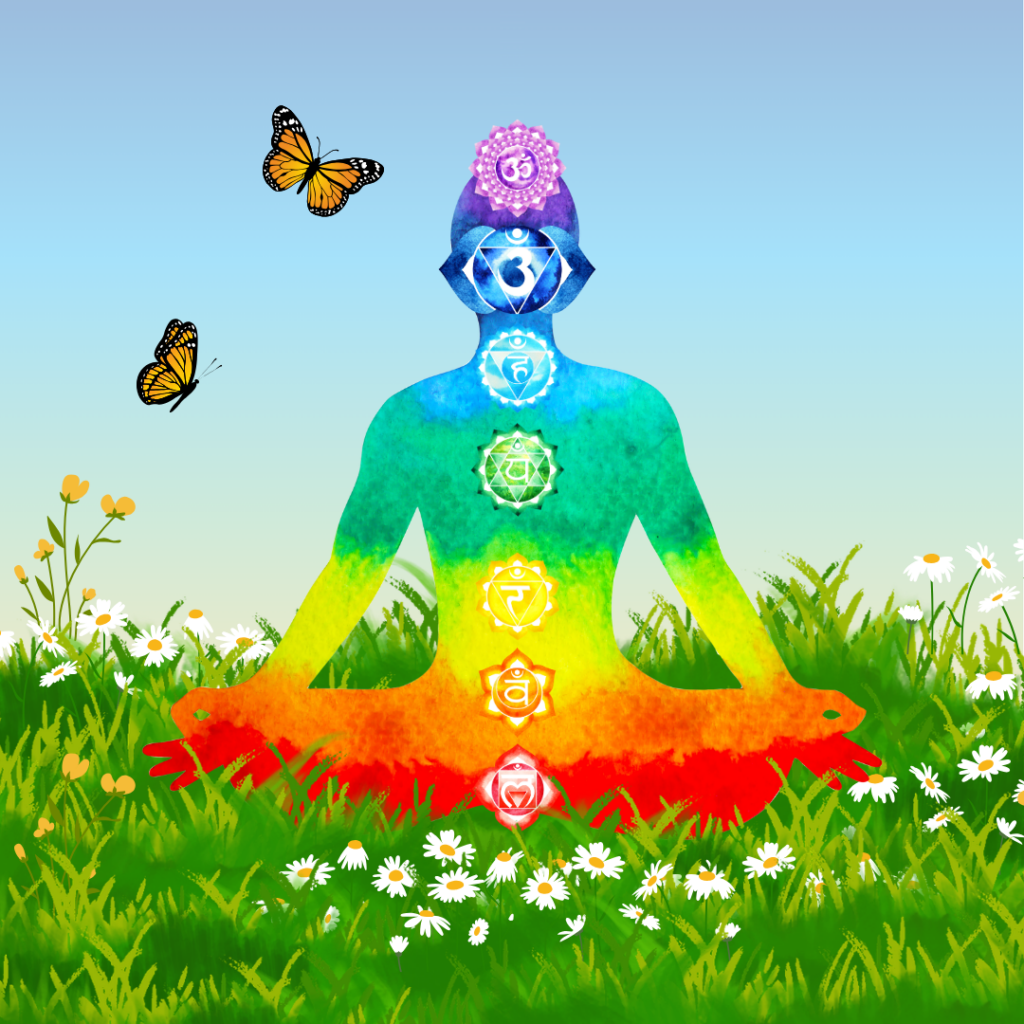
Within traditional Reiki teachings, practitioners are often described as channels or facilitators for Reiki energy. The practitioner is not understood to be giving away their own personal energy or using their own strength to heal another person. Instead, the practitioner creates the conditions for Reiki practice through presence, intention and techniques learned during their training. During a treatment, they may use established hand positions, work more intuitively or combine both approaches, depending on their training and lineage.
Different Reiki traditions explain this process in slightly different ways. Some describe Reiki as flowing through the practitioner or moving where it is needed, while others place greater emphasis on presence, connection and allowing the practice to unfold without trying to control the outcome.
From a scientific perspective, Reiki is sometimes studied within the broader category of biofield therapies, although the energy field described within Reiki theory and a mechanism for its reported effects have not been scientifically established. This creates an important distinction between traditional Reiki teachings, personal experience and scientific evidence.
Claim your FREE eBook and embark on a path of discovery into not only how meditation works but how to make it a habit! To access the eBook for free, simply enter your name and e-mail.
The Reiki practised around the world today traces its roots to early twentieth-century Japan and the teachings of Mikao Usui. His system, known as Usui Reiki Ryōhō, brought together spiritual and personal development, meditation, principles for daily living and hands-on healing practices.
Reiki tradition connects an important turning point in Usui’s journey with a period of fasting, meditation and spiritual practice on Mount Kurama, a sacred mountain near Kyoto. Accounts of the experience vary between traditions, but it became associated with the development of the Reiki system Usui later taught and shared with others.
In 1922, Usui established an organisation in Tokyo, where he taught his methods and offered Reiki. His students continued the practice after his death, with different teachers contributing to the way Reiki developed and spread. One of the most influential was Chujiro Hayashi, who helped develop more structured approaches to offering Reiki treatments.
Through Hayashi, Hawayo Takata learned Reiki before returning to Hawaii, where she practised, taught and played a major role in Reiki’s journey into the Western world.
As Reiki travelled across countries, cultures and generations of teachers, different styles and approaches developed. This helped shape the variety of Reiki traditions practised today.
A Reiki lineage is the chain of teachers through whom Reiki training has been passed. For many practitioners, this creates a connection through generations of teachers back towards the earlier history of the system. Reiki’s history is ultimately a story of practice, teaching and transmission, beginning in Japan, carried from teacher to student, travelling across the Pacific and eventually developing into the many forms of Reiki practised around the world today.
Today, practitioners may follow Japanese-influenced approaches, Western traditions or more modern branches of Reiki. Techniques and teaching styles may differ, but many share historical roots in the system associated with Usui.
The system of Reiki includes a range of practices learned and developed through training. Some focus on the practitioner’s own awareness, wellbeing and personal development, while others are used when offering Reiki to another person. Depending on the lineage or style, training may include self-treatment, hands-on practice, meditation, breath techniques, the Five Reiki Principles and, as a student progresses, symbols, mantras and distance practices.
Reiki is usually learned progressively, with each stage introducing new techniques while continuing to develop the foundations of self-practice, awareness and experience. For some, learning Reiki becomes a personal practice for self-care and reflection. Others continue their training to offer Reiki professionally, explore further practices or eventually become teachers themselves.
A person does not need to learn or be attuned to Reiki to receive it. Reiki can be experienced through an individual treatment, a distance session or a group experience offered by a trained practitioner. Someone can simply enjoy receiving Reiki as part of their wellbeing routine, while those who feel curious about the practice can choose to explore it more deeply through training.
Reiki students learn to use gentle hand positions for self-treatment and, depending on their training, when offering Reiki to others. Practice may follow traditional hand positions or develop more intuitively over time.
Reiki includes meditation and breath techniques that support awareness, focus and personal development. Practices such as Joshin Kokyu Ho combine breathing, attention and visualisation, with methods varying across lineages and traditions.
Reiki is traditionally passed from teacher to student through training that includes Reiju or attunements, depending on the tradition. These form an important part of the student’s initiation and development within Reiki practice.
Many Reiki systems introduce symbols and mantras as students progress through their training. Depending on the lineage, these may be used within mental and emotional practices, distance Reiki and other techniques.
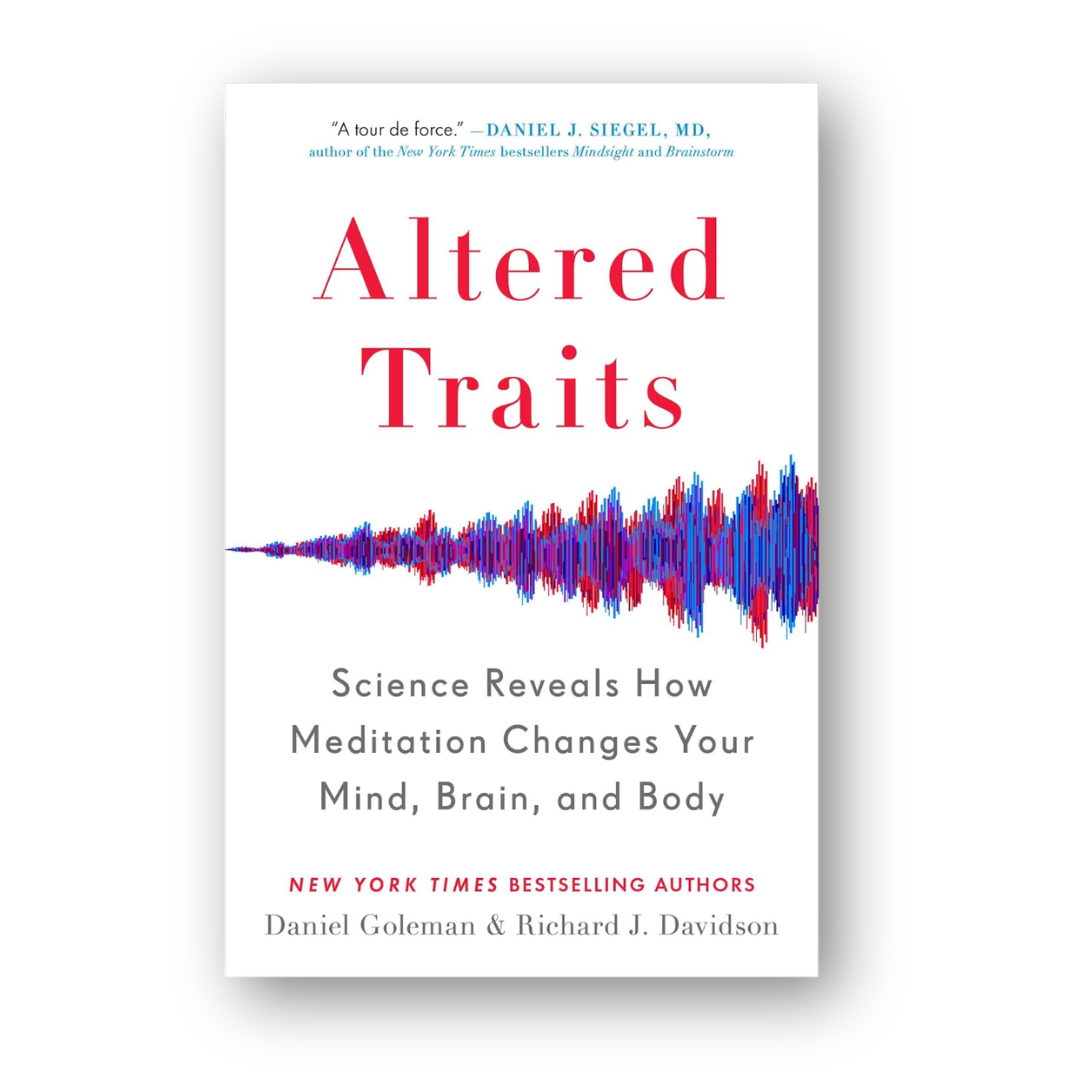
The more I’ve explored the science behind meditation, the more it’s confirmed something I’ve felt for a long time—this isn’t just a “nice practice,” it’s something that genuinely changes how you experience life.
It’s helped me notice patterns earlier, create space before reacting, and respond more intentionally. I’ve felt the shift in how I handle stress, how my body settles, and in moments where I would have spiralled before but now don’t in the same way. It’s subtle, but it builds—and that’s where the real change happens.
The Maharishi Effect really stayed with me. The idea that inner calm can ripple outward has shaped how I approach meditation and Reiki. It’s inspired how I create, especially in distant Reiki and guided meditations, where the intention is not just personal calm but something shared and connective.
Meditation hasn’t been about big breakthroughs every time. It’s been about showing up, even in small ways, and letting those moments build over time. That consistency is what’s created the biggest shifts in how I feel, think, and move through life.
If you’d like to explore the story behind the work → About the Creator
If this blog opened up a new avenue for you—one where you can move through life with more awareness and compassion—here are a few book recommendations to help you continue that journey.
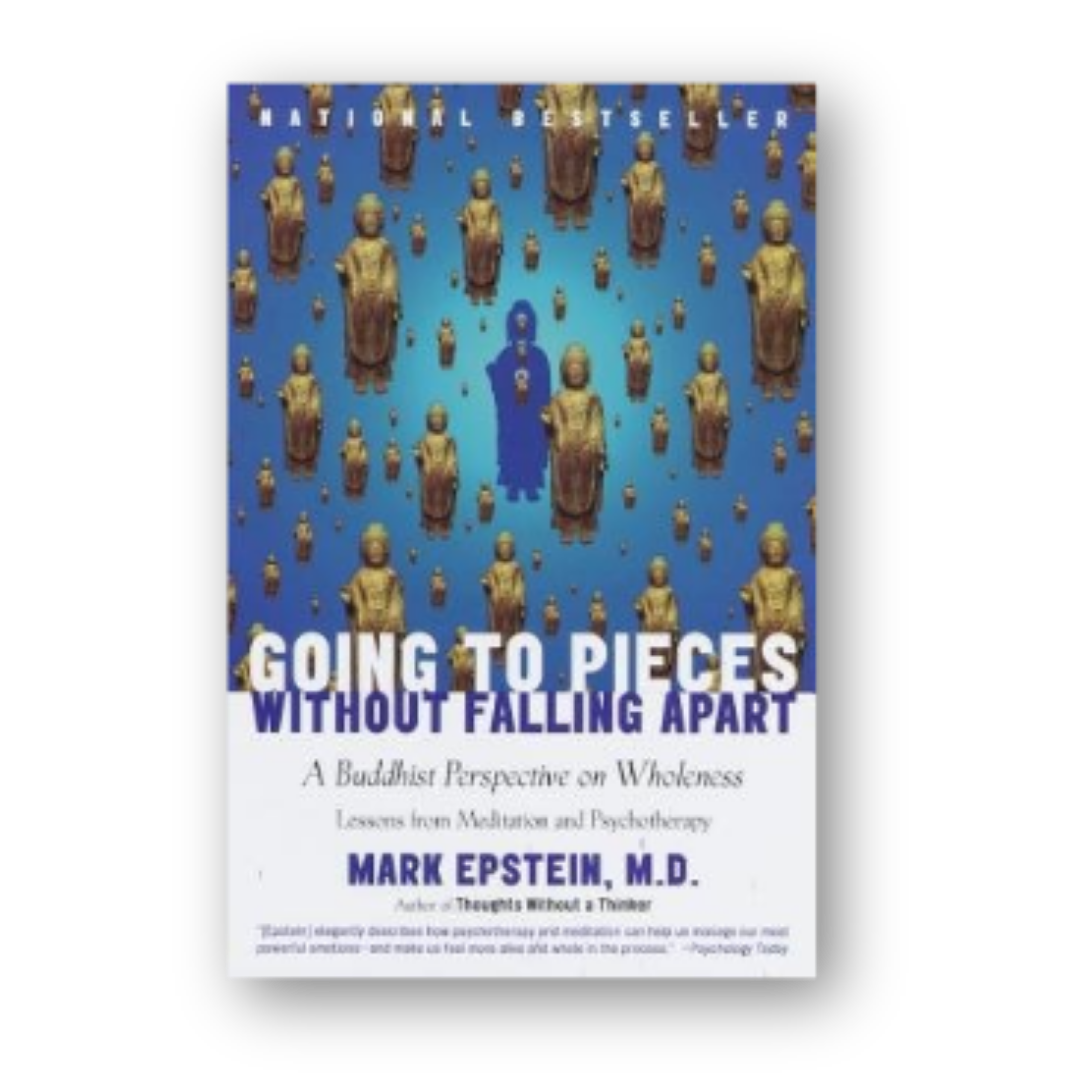
Mark Epstein
A grounded exploration of how meditation and psychology help you understand yourself without needing to “fix” who you are.
Sponsored

Robert Sapolsky
A clear and engaging breakdown of how stress affects the body and why practices like meditation can help regulate it.
Sponsored
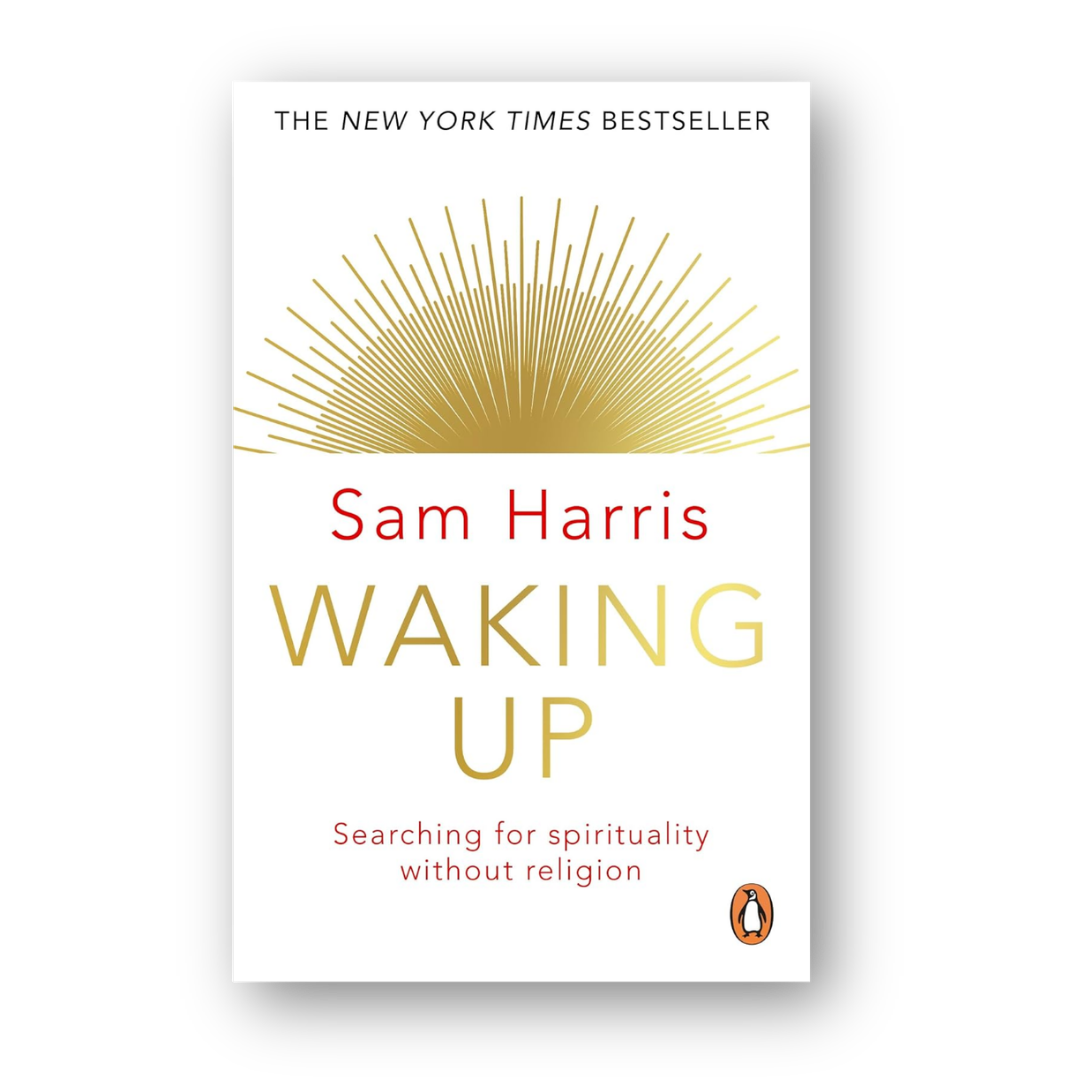
Sam Harris
A practical guide to understanding consciousness and self-transcendence through a modern, science-led lens.
Sponsored
You’ll receive exclusive updates on all products, notifications on release dates and be the first to have front row seats to all events!
If this helped you understand reiki in a clearer, simpler way, the next step isn’t just learning more — it’s experiencing it for yourself. Understanding something intellectually is one thing, but actually feeling the shift in your mind, your body, and your reactions is where real change begins.
There’s no pressure to do everything or rush the process — just choose the path that feels like the right next step for you. So wherever you are right now, here are a few ways you can go deeper.
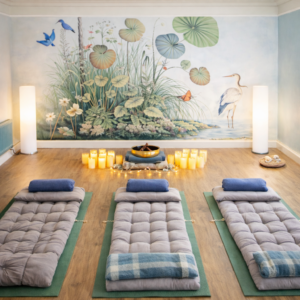
If you’re ready to build a consistent practice and feel more calm, focused, and in control of your mind. Explore meditation classes & guided sessions.
👉 Start Your Meditation Practice
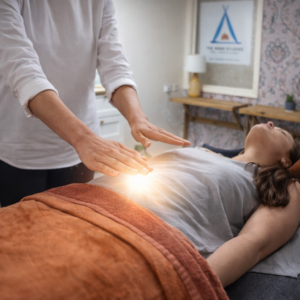
If you’re feeling overwhelmed, emotionally heavy, or disconnected and need something more restorative and energetic. Experience Reiki & nervous system reset sessions
👉 Book a Reiki Session

If your mind feels full and you need a way to process your thoughts, emotions, and patterns more clearly. Discover guided journaling tools & prompts
👉 Explore Journaling Tools
Explore the foundations of meditation by clicking the images below. Learn different techniques, build a consistent practice, and find a style that works for your mind, your energy, and your daily life.
Not sure where to go next? Start by exploring the topics below.
If this resonated with you, I’d love to hear what landed, what stood out to you most? And what did you like learning about?
Please share your thoughts it below.
Stay connected with meditation classes, webinars, wellbeing resources, and upcoming events.
Coming Soon!
Unfortunately, due to the unexpected closure of The Nook Yoga Studio, Reiki sessions at this location are no longer available. I’m currently arranging a new treatment space in the Tewkesbury area and will share details as soon as everything is confirmed.
Thank you for your patience and continued support during this unexpected change.
20 minute call to find the best support for you and your wellbeing.